Women in Computing
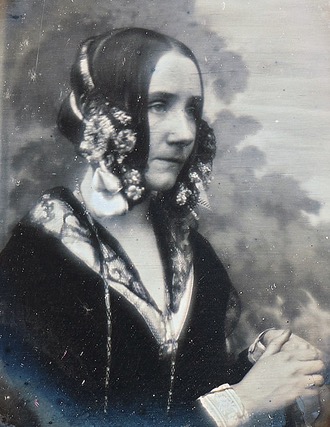 1815–1852 beginner
Ada Lovelace
Mathematician & Pioneer of Algorithmic Computation
Published the first computer algorithm in history in 1843 to calculate Bernoulli numbers on Charles Babbage's mechanical Analytical Engine. Lovelace was the first person to realize that computing engines were not limited to arithmetic, conceiving general-purpose software a century before modern electronic computers existed.
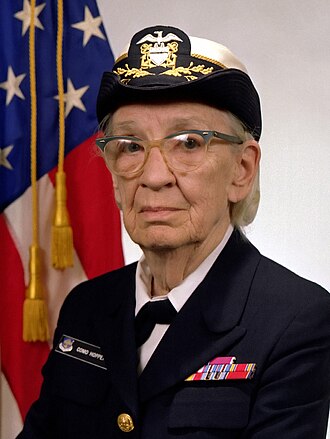 1906–1992 beginner
Grace Hopper
Rear Admiral, US Navy & Inventor of the First Compiler
Built the first operational compiler (the A-0 System, 1952) and pioneered machine-independent programming languages with FLOW-MATIC, which established the foundation for COBOL. Hopper spent over four decades in the United States Navy standardizing enterprise software systems and proving that code could be written in human-readable English.
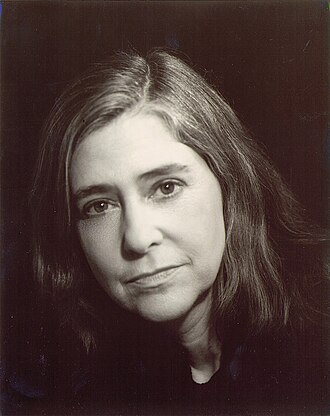 1936– intermediate
Margaret Hamilton
Director of the MIT Software Engineering Division & Apollo Flight Software Architect
Led the MIT software division that engineered the on-board flight computer for the Apollo moon missions. Hamilton coined the term "software engineering" and created the priority-scheduling operating system that prevented an emergency abort during Apollo 11's lunar descent.
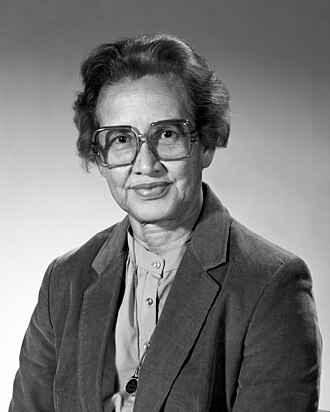 1918–2020 intermediate
Katherine Johnson
Research Mathematician & NASA Orbital Trajectory Architect
Calculated the orbital flight mechanics and launch trajectories for America's earliest crewed space missions at NASA Langley. Johnson calculated Alan Shepard's Freedom 7 flight path, manually checked the IBM orbital equations for John Glenn, and derived the critical lunar ascent equations for Apollo 11.
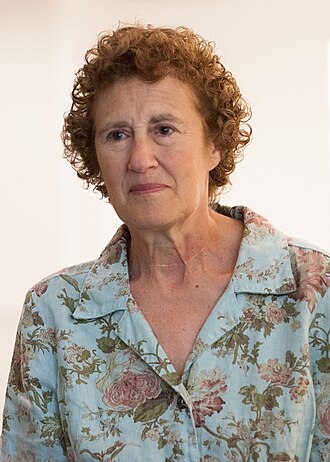 1939– advanced
Barbara Liskov
MIT Institute Professor & ACM A.M. Turing Award Laureate
Pioneered abstract data types, behavioral subtyping, and distributed fault-tolerant algorithms. Liskov created the CLU programming language (introducing data abstraction, iterators, and exceptions), formulated the Liskov Substitution Principle (LSP), and co-invented Practical Byzantine Fault Tolerance (PBFT).
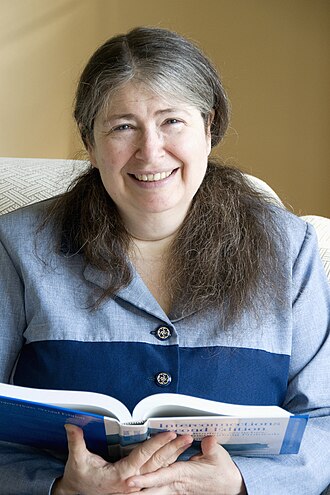 1951– intermediate
Radia Perlman
Network Protocol Architect & National Inventors Hall of Fame Inductee
Invented the Spanning Tree Protocol (STP / IEEE 802.1D) that allows Ethernet networks to self-configure without crashing from infinite packet loops. Perlman pioneered robust link-state routing (IS-IS) and architected TRILL for high-throughput cloud datacenters, earning the title "Mother of the Internet."
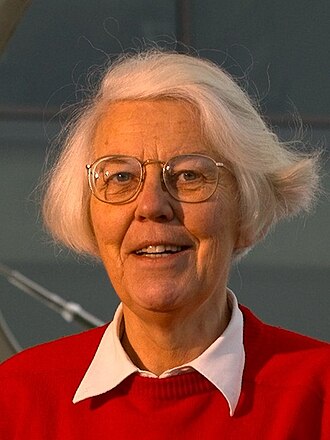 1935–2007 advanced
Karen Spärck Jones
Professor of Computers and Information at Cambridge & Pioneer of Statistical NLP
Formulated Inverse Document Frequency (IDF, 1972) and co-developed the Robertson–Spärck Jones probabilistic retrieval model, the foundation for Okapi BM25. Spärck Jones proved that word co-occurrence and statistical rarity across a document library provide an effective basis for search engines, long before modern web indexing existed.
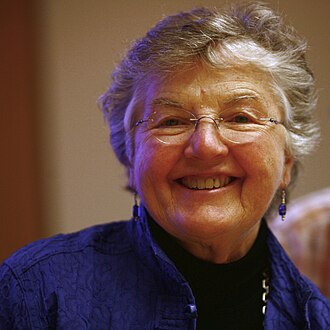 1932–2020 advanced
Frances E. Allen
IBM Fellow & First Female ACM A.M. Turing Award Laureate
Pioneered optimizing compilers, program flow analysis, and automatic parallelization. Allen formulated Control Flow Graphs (CFGs), interval analysis, and interprocedural data flow algorithms that transform source code into efficient machine execution, establishing the foundation for compiler engines like LLVM and GCC.
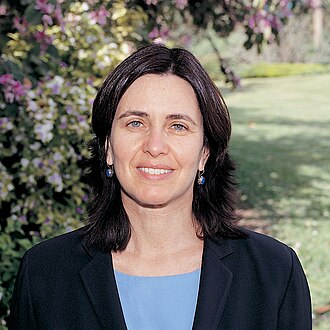 1958– advanced
Shafi Goldwasser
Director of the Simons Institute at UC Berkeley & Turing Award Laureate
Co-founded the theoretical foundation of modern cryptography. Goldwasser co-invented Zero-Knowledge Interactive Proofs (1985), formulated Probabilistic Public-Key Encryption and Semantic Security (1982), co-created Pseudorandom Functions (GGM 1986), and helped prove the PCP Theorem linking proof verification to computational hardness.
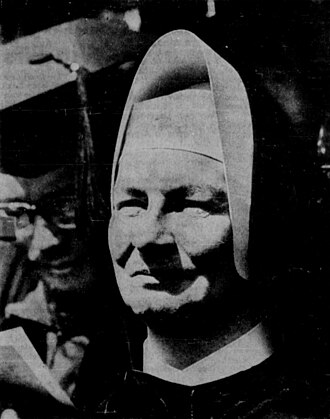 1913–1985 intermediate
Sister Mary Kenneth Keller
Pioneer of Computer Science Higher Education & Co-Developer of Dartmouth BASIC
Earned the first Computer Science doctorate awarded in the United States in 1965 (UW-Madison) and helped develop the Dartmouth Time-Sharing System that enabled the BASIC programming language. Keller championed computing literacy for all students and directed one of the country's earliest undergraduate computer science departments at Clarke College.
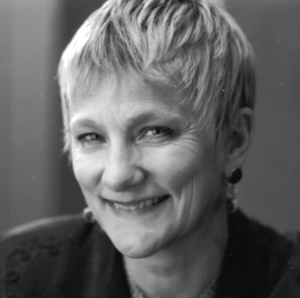 1949–2003 advanced
Anita Borg
Systems Architect, Operating Systems Researcher & Founder of AnitaB.org
Pioneered fault-tolerant distributed operating systems, process rollback recovery, and hardware cache memory tracing architectures at DEC Western Research Lab. Borg co-patented the MECCA fault-tolerant messaging system, developed the ATUM microcode memory tracing methodology, founded Systers in 1987, and co-founded the Grace Hopper Celebration.
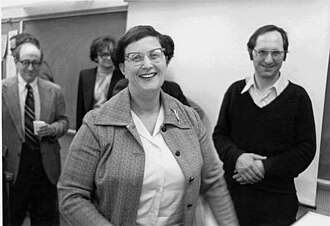 1928–2017 advanced
Jean E. Sammet
First Female ACM President, Co-Designer of COBOL & Creator of FORMAC
Co-designed COBOL as a core member of the CODASYL Short Range Committee, invented FORMAC (the first widely used computer algebra language for symbolic mathematics, 1962), authored the landmark treatise "Programming Languages: History and Fundamentals" (1969), and served as the first female President of the ACM (1974–1976). Sammet established the taxonomy and historiography of modern programming languages.
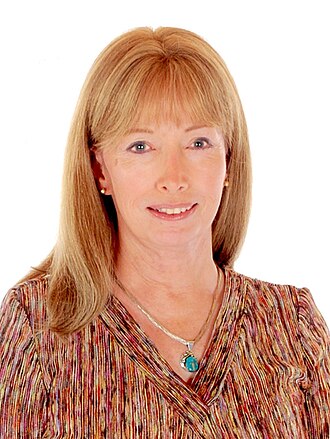 1938–2024 advanced
Lynn Conway
Pioneer of VLSI Microchip Architecture & Dynamic Instruction Scheduling
Co-architected the Mead–Conway VLSI revolution with Carver Mead, decoupling microchip circuit design from semiconductor fabrication via scalable lambda design rules and the MOSIS foundry infrastructure. At IBM, Conway invented dynamic instruction scheduling (DIS) for superscalar processors, enabling out-of-order execution pipelines that power all contemporary high-performance CPUs.
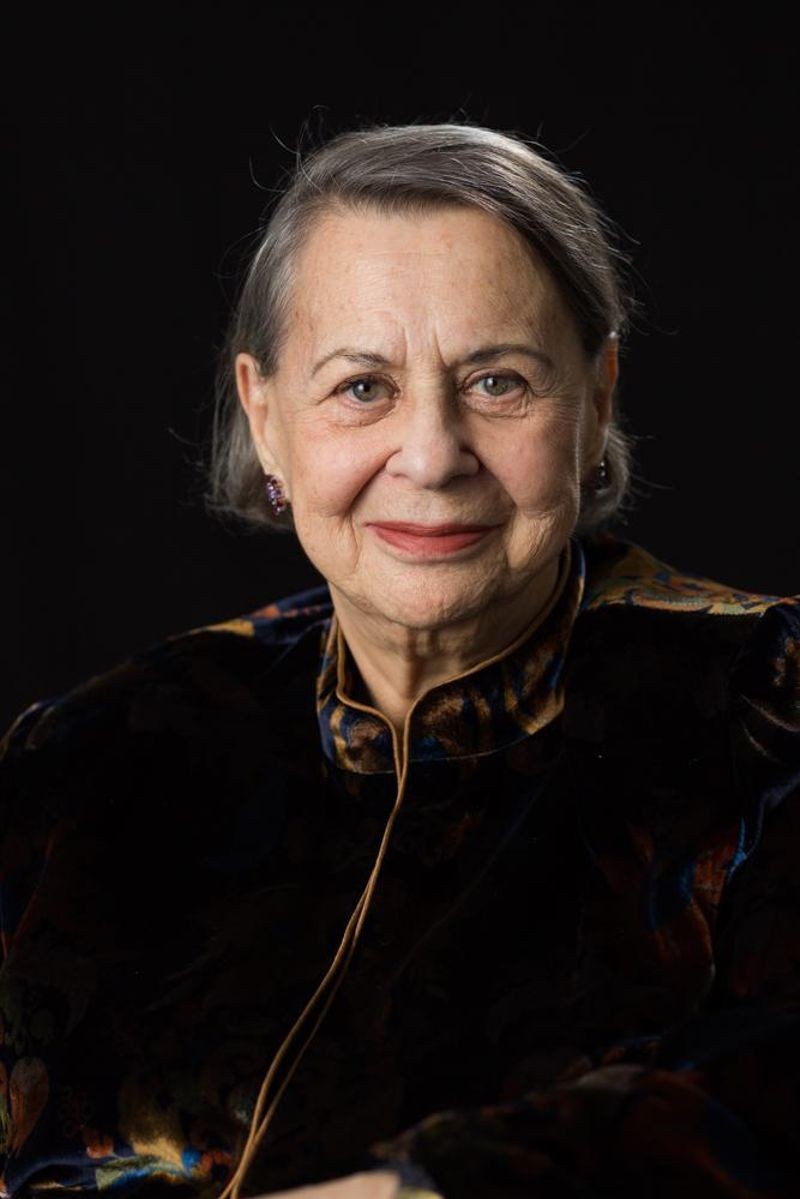 1925–2018 intermediate
Evelyn Berezin
Pioneer of Real-Time Transaction Processing & Inventor of the Computerized Word Processor
Designed the world's first computerized airline reservation system (United Airlines Reservisor, 1962), operating across 60 cities with 1-second response time and 99.99% reliability. In 1969, Berezin founded Redactron Corporation and engineered the Data Secretary (1971), the first dedicated computerized word processing system, architecting custom MOS logic chips to automate text editing before the microcomputer revolution.
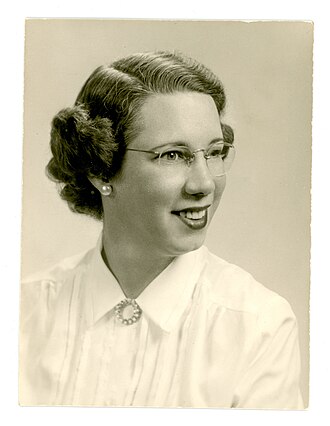 1917–2001 intermediate
Betty Holberton
ENIAC Pioneer, Inventor of Software Breakpoints & the Sort-Merge Generator
One of the six original ENIAC programmers who established electronic software execution through direct hardware rewiring. Holberton invented software breakpoints in debugging, created the Sort-Merge Generator on UNIVAC I (the first program to generate executable machine code), contributed to the original specification of COBOL, and served on the ANSI committee standardizing FORTRAN.
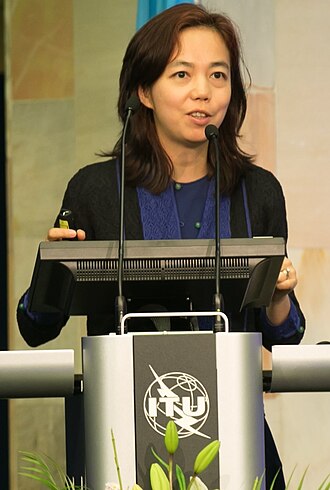 1976– advanced
Fei‑Fei Li
Sequoia Professor of Computer Science at Stanford & Co-Director of Stanford HAI
Created ImageNet (2009), the 14-million-image visual dataset that sparked modern deep learning. While early AI researchers focused entirely on tweaking algorithms, Li realized computers could not recognize objects without seeing millions of real-world examples first.
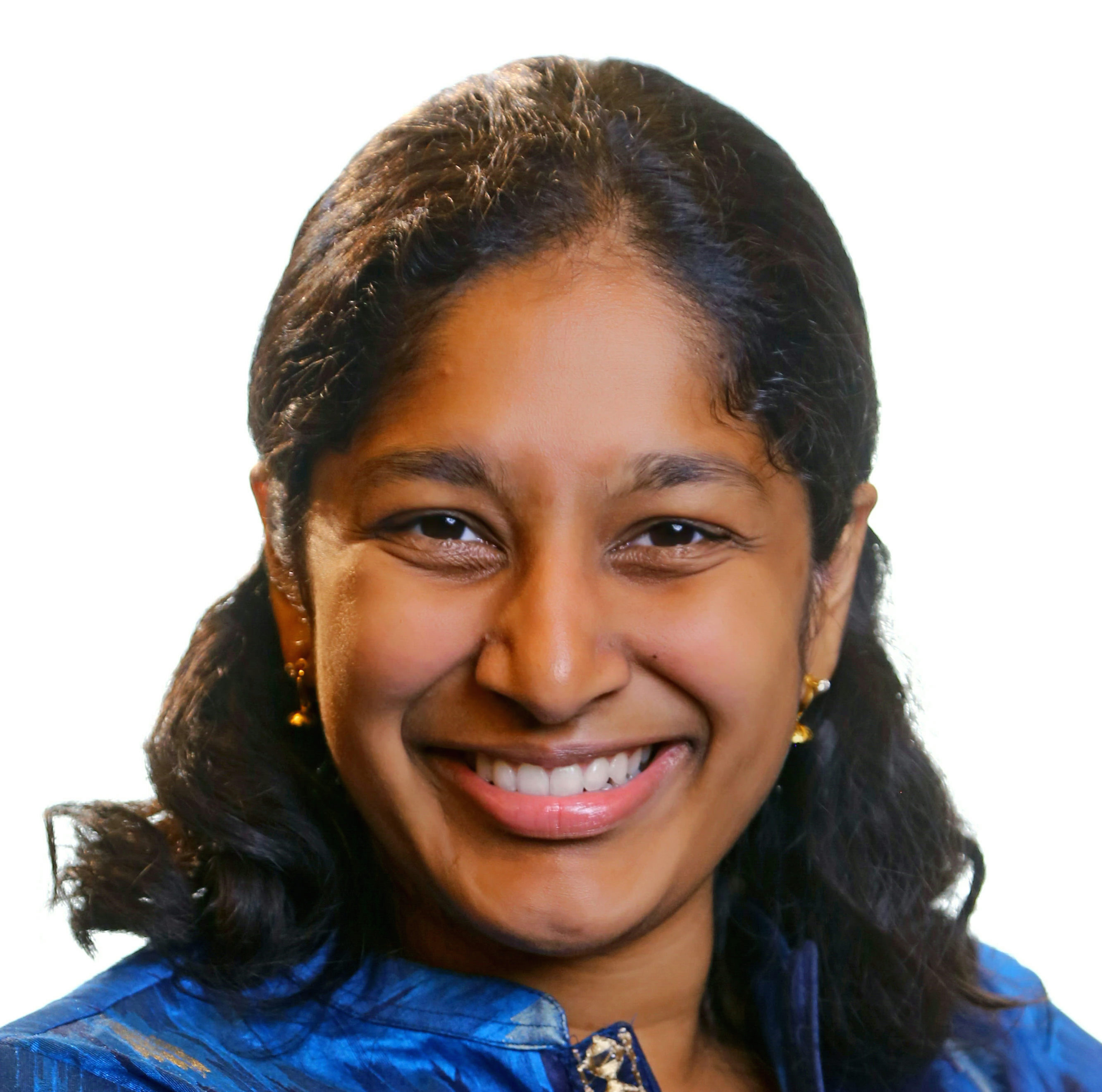 1993– advanced
Priya Donti
Assistant Professor of EECS at MIT & Co-Founder of Climate Change AI
Embeds hard physical laws and electrical grid constraints directly into neural networks so they cannot produce dangerous commands. Donti co-founded Climate Change AI and develops optimization-constrained machine learning that helps electric power grids safely absorb high levels of renewable energy.
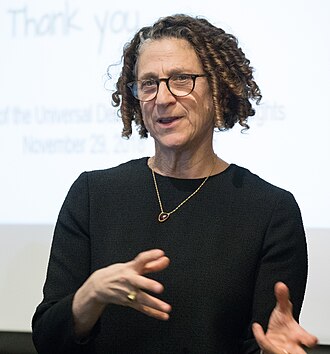 1958– advanced
Cynthia Dwork
Gordon McKay Professor of Computer Science at Harvard University
Co-invented Proof-of-Work (1992) and formulated the mathematical definition of Differential Privacy (2006). Dwork solved fundamental problems across distributed systems, cryptography, and algorithmic fairness, creating the mathematical foundation for both blockchain consensus and privacy-preserving data analysis.
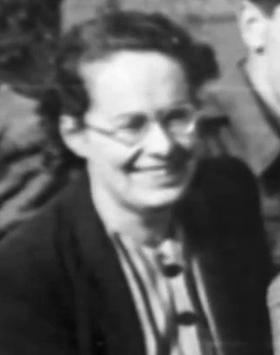 1917–1996 advanced
Joan Clarke
Cryptanalyst, Deputy Head of Hut 8 at Bletchley Park & Pioneer of Bayesian Cryptanalysis
Decrypted wartime German Naval Enigma signals at Bletchley Park and pioneered early Bayesian sequential probability testing. Clarke served as Deputy Head of Hut 8, breaking complex four-rotor U-boat ciphers to protect Allied transatlantic convoys.
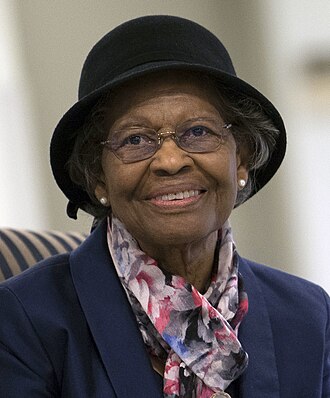 1930– advanced
Gladys West
Mathematician, Satellite Geodesist & Pioneer of the Global Positioning System (GPS)
Programmed the mathematical satellite geodesy models and gravitational Earth shape calculations that made the Global Positioning System (GPS) possible. West computed complex orbital perturbations on the IBM 7030 Stretch supercomputer at the Naval Surface Warfare Center, creating the World Geodetic System baseline.
 1957– advanced
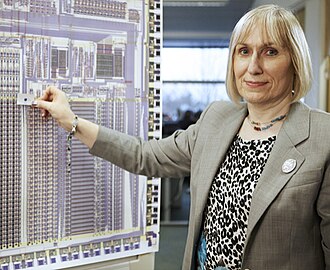
Sophie Wilson
Chief Architect of the ARM RISC Instruction Set & Acorn BBC Micro
Architected the original 32-bit ARM instruction set and wrote BBC BASIC. Wilson designed the load/store RISC architecture that runs on more than 280 billion chips worldwide, powering virtually all modern smartphones, tablets, and Apple Silicon chips.
 1914–2000 beginner
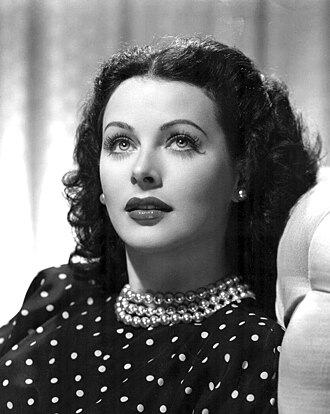
Hedy Lamarr
Spread Spectrum & Frequency Hopping Pioneer
Co-invented frequency-hopping spread spectrum communications in 1941 to prevent enemy jamming of radio-guided torpedoes. Lamarr's rapid carrier frequency switching architecture established the conceptual foundation for modern Wi-Fi, Bluetooth, and cellular CDMA.
 1910–2008 beginner
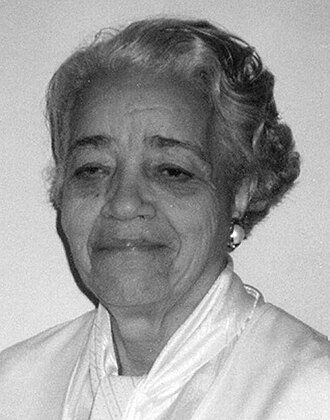
Dorothy Vaughan
NASA West Computing Head & FORTRAN Pioneer
Headed NASA's West Area Computing unit and led the early transition from human calculation to electronic programming. Foreseeing that electronic computers would replace manual computation, Vaughan mastered FORTRAN on the IBM 704 mainframe and taught her entire team how to code.
 1945– intermediate
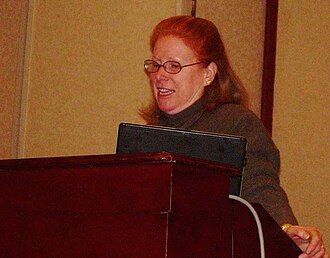
Adele Goldberg
Object-Oriented Programming & GUI Pioneer
Co-developed Smalltalk-80 at Xerox PARC and pioneered the modern graphical user interface. Goldberg established foundational software concepts including overlapping windows, menus, point-and-click interaction, and the Model-View-Controller (MVC) architecture that shapes software development today.
 1931– intermediate
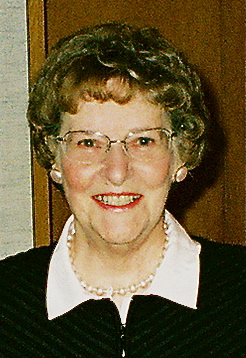
Elizabeth J. Feinler
ARPANET NIC Director & Domain Name Pioneer
Directed the Network Information Center (NIC) for ARPANET and the Defense Data Network from 1972 to 1989. Feinler developed the original top-level domain naming schema (.com, .org, .edu, .gov, .mil) and created the WHOIS protocol and server, serving as the white pages and phone book of the early internet.
 1937– intermediate
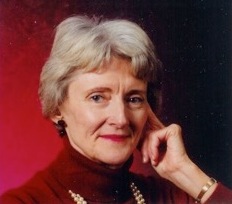
Mary Allen Wilkes
First Home PC User & Interactive OS Architect
Designed the LAP (LINC Assembly Program) interactive operating system for the LINC computer and pioneered personal computing workflows. In 1965, Wilkes brought a LINC into her Baltimore living room to write and debug its operating system, making her the first person to use a personal computer in a private residence.
 1955– intermediate
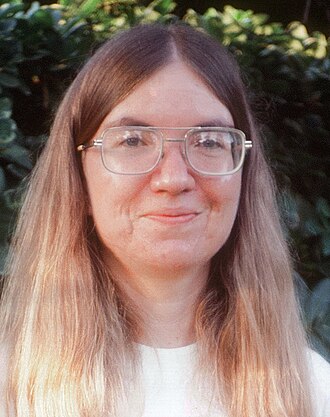
Carol Shaw
First Female Video Game Designer & Procedural Pioneer
Became the world's first professional female video game designer and programmed the groundbreaking vertical-scrolling shooter River Raid for the Atari 2600. Shaw invented procedural level generation for microcomputers, generating an endless, non-repeating river and enemy landscape in real time within just 4 kilobytes of ROM.
 1924–2011 intermediate
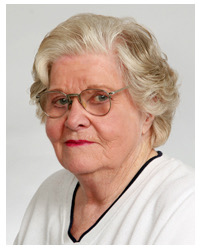
Jean Bartik
Lead ENIAC Programmer & Pioneer of Stored-Program Computing
Served as lead programmer of the ENIAC, the world's first general-purpose electronic digital computer, and co-invented foundational programming paradigms including subroutines and nested loops. Alongside John von Neumann in 1948, Bartik converted the ENIAC from a machine wired with physical plugboard cables into a stored-program computer.
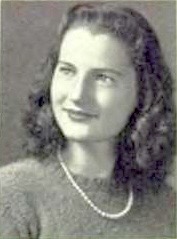 1926– intermediate
Erna Schneider Hoover
Pioneer of Computerized Telephone Switching & Real-Time Queue Control
Invented computerized stored-program switching architecture at Bell Laboratories, designing dynamic feedback controls that prevented telephone networks from crashing under peak traffic. Her innovation earned US Patent 3,623,007 in 1971, recognized as one of the very first software patents in history and the blueprint for modern queue management and cloud load balancing.
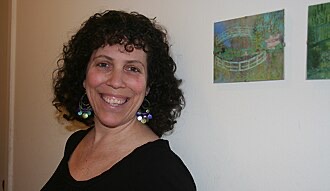 1962– advanced
Tal Rabin
Pioneer of Threshold Cryptography & Multiparty Computation (MPC)
Pioneered threshold cryptography, verifiable secret sharing (VSS), and secure multiparty computation (MPC) during her tenure as Head of Cryptography Research at IBM. Her mathematical protocols allow distributed servers to compute together and sign transactions collectively without any single node ever learning the private key.
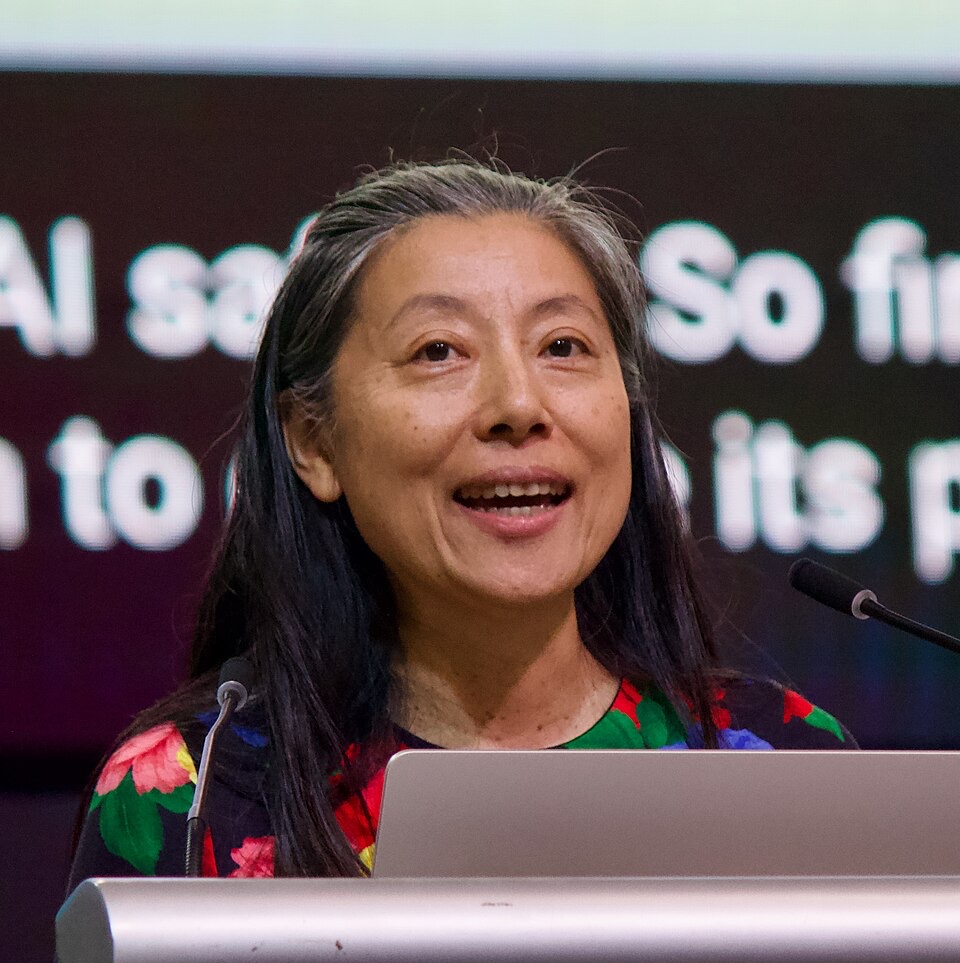 1975– advanced
Dawn Song
Pioneer of Adversarial Machine Learning & Automated Security Analysis
Pioneered adversarial machine learning and automated software security analysis as a Professor of Computer Science at UC Berkeley. Song proved that neural networks are susceptible to imperceptible input perturbations, creating the mathematical foundation for AI safety and robust machine learning models.
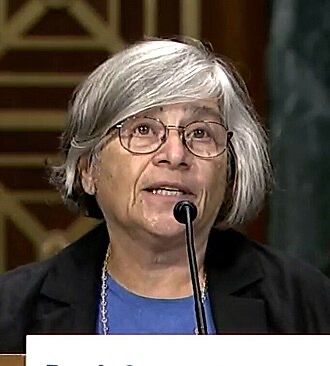 1954– advanced
Susan Landau
Cybersecurity Mathematician & Pioneer of Radical Solvability Algorithms
Developed Landau's algorithm, the first polynomial-time test for determining whether the roots of an algebraic polynomial can be expressed using radicals. A leading mathematician and cybersecurity policy authority at Tufts University, Landau established the cryptographic imperative of end-to-end encryption for national infrastructure and privacy.
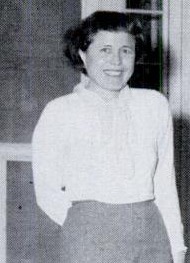 1911–1963 intermediate
Klára Dán von Neumann
World's First Monte Carlo Programmer & Numerical Simulation Pioneer
Programmed the world's first computer implementations of the Monte Carlo method on the ENIAC and MANIAC I at Los Alamos. Her raw machine code translated complex non-linear differential equations into automated calculations, establishing modern numerical simulation for physics and weather forecasting.
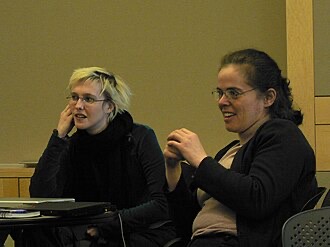 1956– advanced
Éva Tardos
Titan of Algorithmic Graph Theory & Network Optimization
Revolutionized algorithmic graph theory by inventing the first strongly polynomial-time algorithm for minimum-cost network flows and circulation problems. A Cornell University professor and Gödel Prize laureate, Tardos co-authored the definitive textbook Algorithm Design and established foundational mathematical bounds on the Price of Anarchy in decentralized networks.
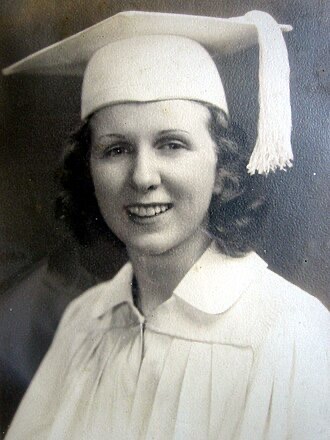 1921–2006 intermediate
Kathleen Antonelli
ENIAC Co-Programmer & Ballistic Trajectory Calculation Pioneer
Served as one of the six original programmers of the ENIAC, translating mathematical ballistics equations and differential calculus into physical machine execution. Antonelli pioneered electronic numerical computation and later contributed to the software design of early commercial systems including the BINAC and UNIVAC.
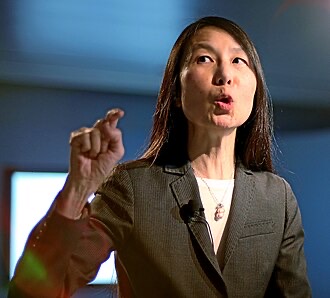 1956– advanced
Jeannette Wing
Creator of Computational Thinking & Pioneer of Behavioral Subtyping
Formulated the mathematical foundation of behavioral subtyping (the Liskov-Wing theorem) and spearheaded the global Computational Thinking movement in computer science education. As Executive Vice President for Research at Columbia University and former Corporate VP at Microsoft Research, Wing defined formal verification methods for distributed and concurrent software.
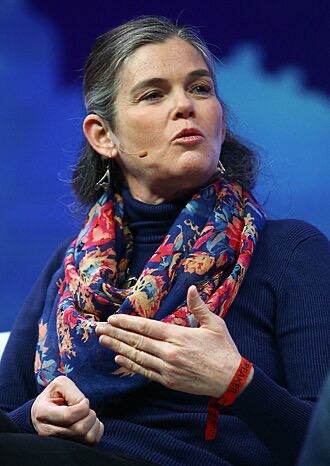 1968– advanced
Daphne Koller
Pioneer of Probabilistic Graphical Models & AI Healthcare
Revolutionized artificial intelligence by developing Probabilistic Graphical Models (PGMs) that unite Bayesian probability with complex relational networks for reasoning under uncertainty. A Stanford professor, MacArthur Fellow, and co-founder of Coursera, Koller went on to found insitro, applying deep machine learning to automated pharmaceutical drug discovery.
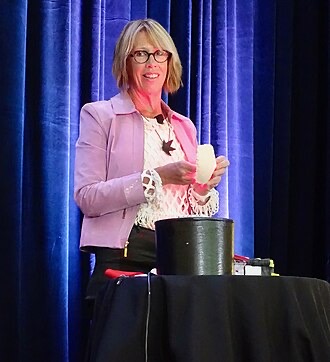 1965– intermediate
Mary Lou Jepsen
Visionary Computer Display & Hardware Architect
Pioneered low-power optoelectronics, holographic systems, and microdisplays, serving as Chief Technology Officer and co-founder of the One Laptop per Child (OLPC) project. Jepsen invented the dual-mode transreflective display that could be read clearly in direct sunlight while drawing just one watt of power.
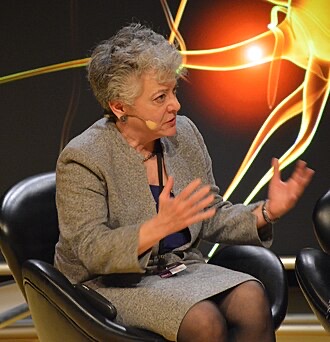 1948– advanced
Barbara Grosz
AI Pioneer in Multi-Agent Discourse & Collaborative Systems
Pioneered computational linguistics, natural language processing, and multi-agent collaborative AI as Higgins Professor of Natural Sciences at Harvard University. Grosz formulated the Grosz-Sidner theory of discourse structure and the SharedPlans model, proving that human communication and robotic teamwork depend on shared goals rather than linear grammar.
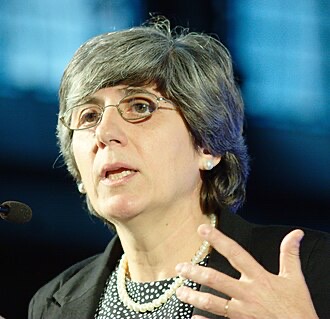 1957– advanced
Manuela Veloso
Pioneer of Autonomous Multi-Robot Teams & Symbiotic Autonomy
Pioneered symbiotic autonomy and multi-robot coordination as Head of AI Research at JPMorgan Chase and Emeritus Herbert A. Simon University Professor at Carnegie Mellon University. Veloso co-founded RoboCup to push real-time robotic perception and created the CoBot service robots, which navigate complex environments by recognizing their own limits and proactively asking humans for help.
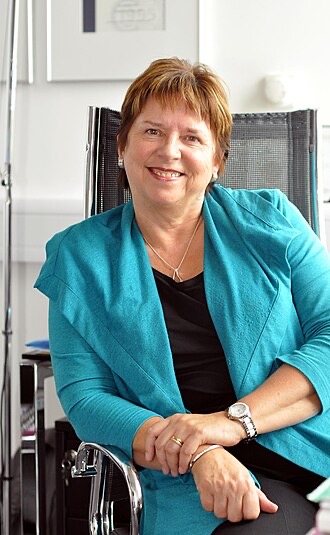 1952– intermediate
Wendy Hall
Pioneer of Multi-Media Hypertext & Global Web Science
Invented the Microcosm open hypermedia system in 1989 prior to the World Wide Web, pioneering hypermedia links that were stored in separate databases rather than embedded inside documents. Alongside Tim Berners-Lee, Dame Wendy Hall co-founded the global discipline of Web Science to study the architectural and social evolution of the decentralized Web.
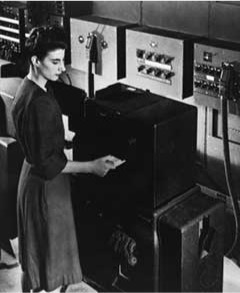 1922–2012 intermediate
Frances Spence
Original ENIAC Programmer & Electronic Numerical Computing Pioneer
Programmed the ENIAC as one of its six original female programmers, converting wartime differential equations into digital vacuum tube circuit operations. Spence configured the Master Programmer Stepper units to synchronize nested loops and digital branches, pioneering the logical sequencing of electronic computers.
 1922–2008 intermediate
Marlyn Meltzer
Original ENIAC Programmer & Numerical Calculation Architect
Served as one of the six original ENIAC programmers, translating complex trajectory ballistics into physical switchboard wiring layouts. Meltzer calculated air resistance and weather drag equations across vacuum tube accumulators, inventing the physical debugging procedures required for massive electronic computers.
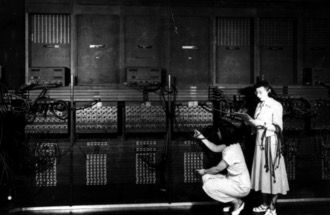 1924–1986 intermediate
Ruth Teitelbaum
Original ENIAC Programmer & Software Educator
Programmed the ENIAC as one of its six original programmers and became the primary software educator who trained the next generation of American computer scientists. When the ENIAC was transferred to the Ballistic Research Laboratory at Aberdeen Proving Ground in 1947, Teitelbaum moved with the machine to establish the first systematic curriculum for digital computer operation.
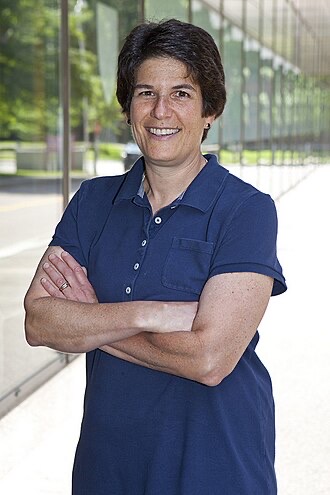 1962– advanced
Margo Seltzer
Co-Creator of Berkeley DB & Systems Storage Pioneer
Co-created Berkeley DB (BDB), the seminal embedded key-value database engine that established transactional ACID durability for software systems worldwide. Seltzer pioneered log-structured file systems, co-founded Sleepycat Software, and received the USENIX Flame Award for lifetime achievement in computer systems architecture.
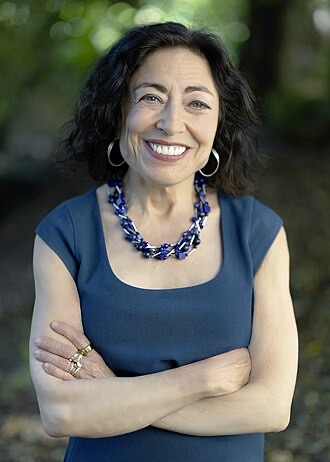 1956– advanced
Jennifer Chayes
Pioneer in Algorithmic Phase Transitions & Network Graph Limits
Pioneered the mathematical theory of graphons and graph limits, explaining how phase transitions from statistical physics govern the computational hardness of network algorithms. As Dean of the College of Computing, Data Science, and Society at UC Berkeley and co-founder of Microsoft Research New England and NYC, Chayes proved why optimization problems suddenly become exponentially difficult at critical density thresholds.
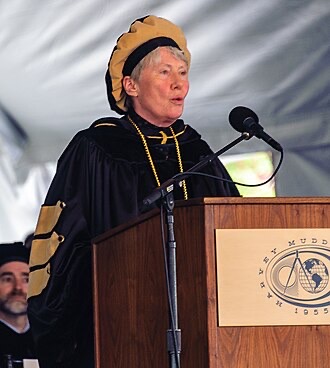 1951– intermediate
Maria Klawe
Theoretical Computer Scientist & STEM Equity Visionary
Advanced fundamental computational geometry and randomized graph algorithms while revolutionizing computer science education as President of Harvey Mudd College and President of the ACM. Klawe eliminated structural intimidation in introductory programming curricula, increasing female computer science graduation rates from 10% to over 50%.
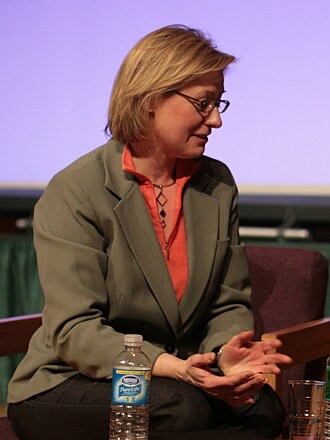 1962– intermediate
Rosalind Picard
Founder of Affective Computing & Wearable AI Pioneer
Founded the field of Affective Computing at the MIT Media Lab, creating algorithms that recognize, interpret, and simulate human emotional states from physiological signals. Picard invented wearable autonomic biosensors that measure sympathetic nervous system arousal, launching FDA-cleared seizure-monitoring devices and emotion-aware AI.
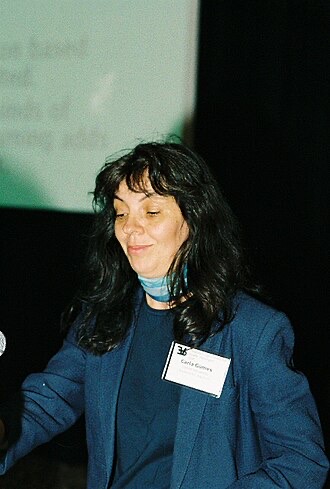 1956– advanced
Carla Gomes
Pioneer in Computational Sustainability & Randomized Search Solvers
Founded the interdisciplinary field of Computational Sustainability and discovered heavy-tailed runtime distributions in combinatorial search problems. A professor at Cornell University and AAAI Fellow, Gomes proved that injecting randomized restarts into deterministic SAT solvers eliminates exponential slowdowns, accelerating constraint satisfaction algorithms across renewable energy and conservation science.
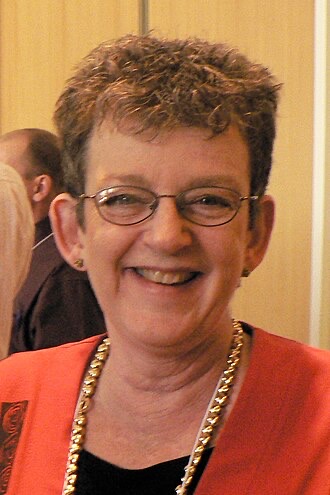 1948– intermediate
Irene Greif
First Female MIT CS PhD & Pioneer of Collaborative Computing (CSCW)
Became the first woman to earn a Ph.D. in Computer Science from MIT in 1975 and co-founded the field of Computer-Supported Cooperative Work (CSCW). As head of collaborative computing at Lotus Development and an IBM Fellow, Greif pioneered real-time shared editing, distributed groupware architectures, and shared calendaring.
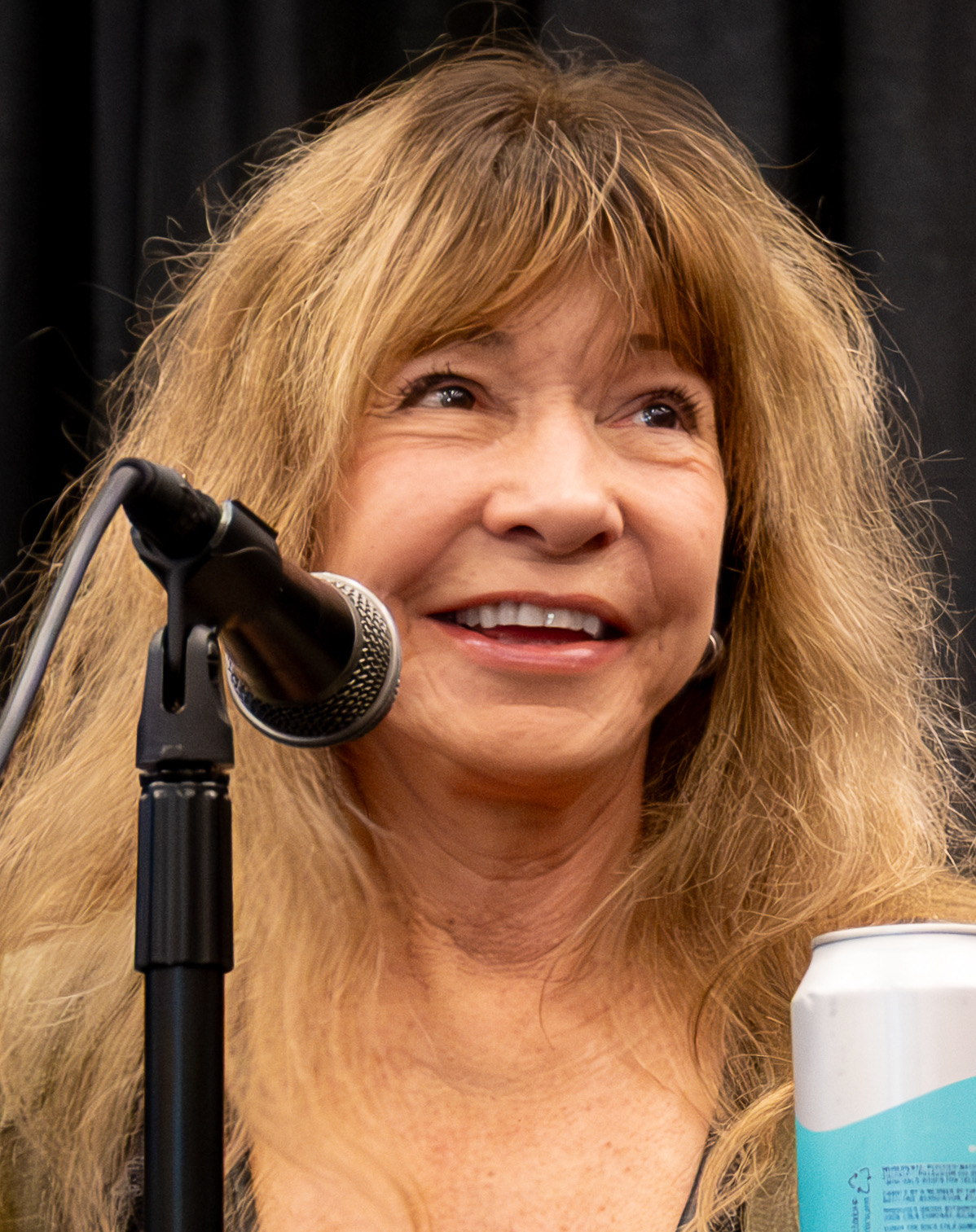 1953– beginner
Roberta Williams
Pioneer of Graphical Adventure Games & Co-Founder of Sierra On-Line
Created Mystery House (1980), the first graphical adventure game in computing history, and co-founded Sierra On-Line. By pairing illustrated graphics with text parsers and pioneering animated pseudo-3D environments in King's Quest, Williams transformed personal computers into an interactive visual storytelling medium.
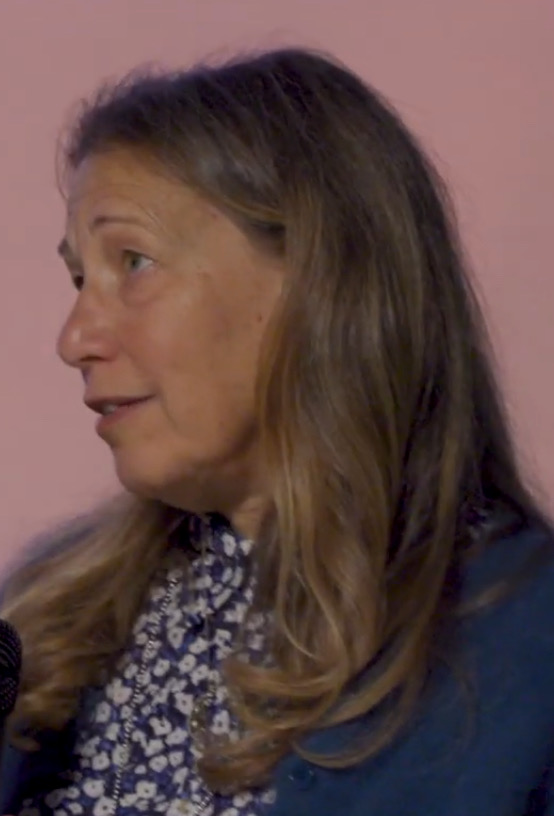 1954– beginner
Susan Kare
Pioneer of GUI Iconography & Designer of the Original Macintosh Interface
Designed the visual iconography and proportional screen typefaces for the original 1984 Apple Macintosh. Kare created universally understood visual metaphors—including the Trash can, Happy Mac, Command symbol (⌘), and Lasso—that defined how everyday humans interact with graphical computers.
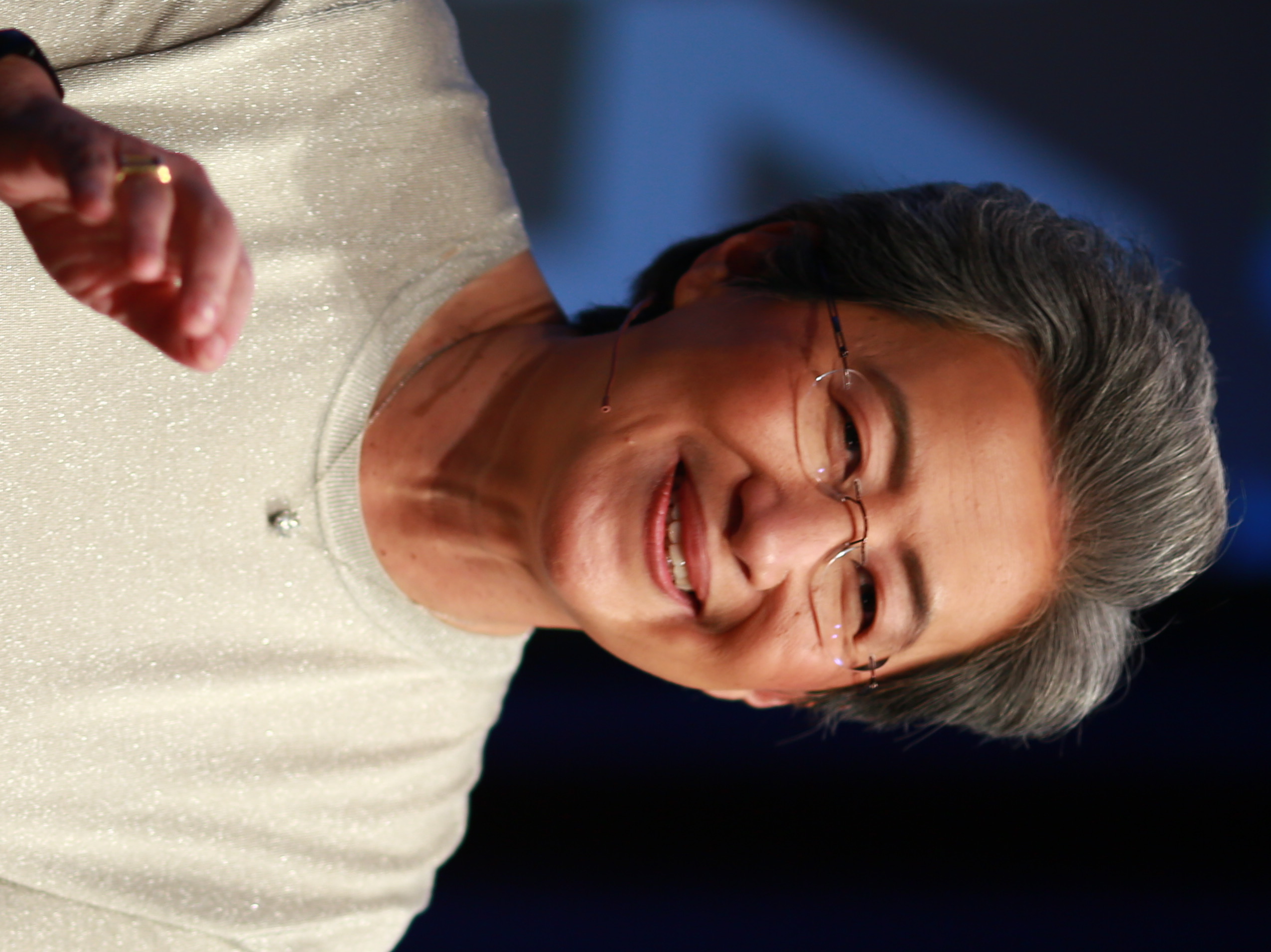 1969– advanced
Lisa Su
Semiconductor Physicist, Chair & CEO of AMD
Semiconductor physicist and Chair & CEO of AMD who pioneered Silicon-on-Insulator (SOI) manufacturing technology at IBM and revitalized high-performance computing with AMD's Zen microarchitecture. Su transformed modern CPU design by moving from monolithic dies to modular "chiplet" architectures that power today's top supercomputers and cloud data centers.
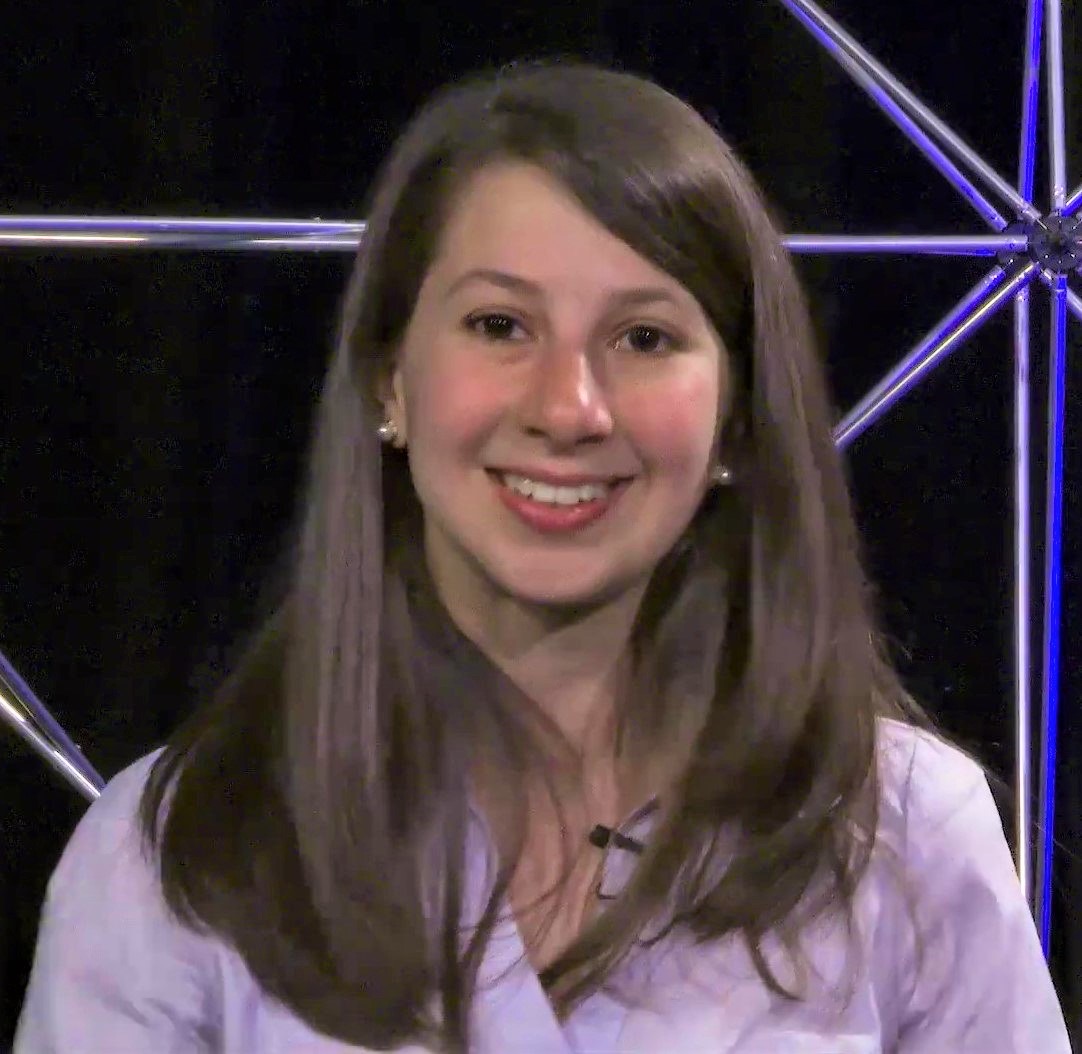 1989– advanced
Katie Bouman
Pioneer in Computational Imaging & Algorithmic Lead for Black Hole Visualization
Computer scientist and computational imaging professor at Caltech who led the CHIRP algorithmic imaging pipeline for the Event Horizon Telescope. Bouman's algorithms solved ill-posed inverse problems to reconstruct the historic first-ever direct picture of a supermassive black hole from sparse, noisy interferometric radio data.
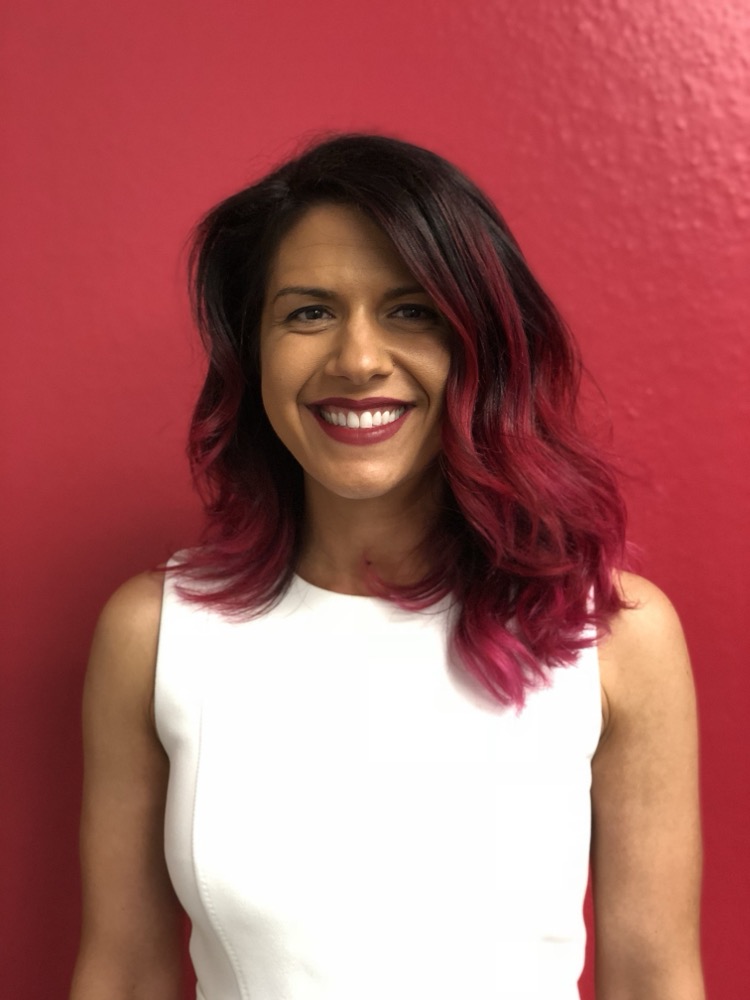 1983– intermediate
Parisa Tabriz
VP of Chrome, Google's "Security Princess" & Web Security Pioneer
VP of Engineering at Google and browser security pioneer who led Chrome Security and Google Project Zero. Known originally as Google's "Security Princess," Tabriz drove the initiative that shifted the global web from unencrypted HTTP to default HTTPS and pioneered offensive vulnerability research that protected billions of internet users.
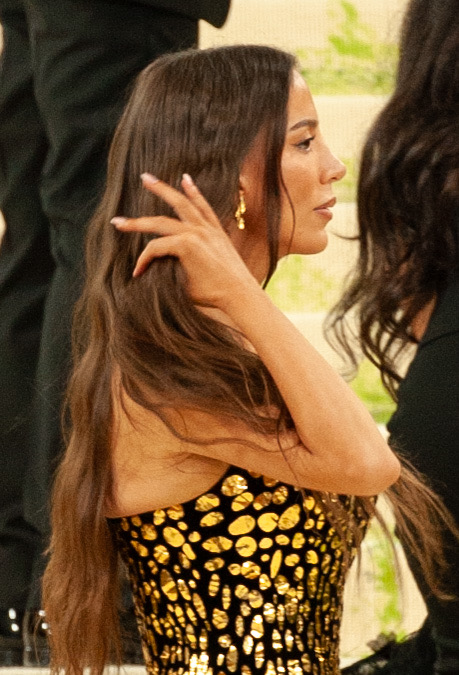 1988– intermediate
Mira Murati
Former Chief Technology Officer of OpenAI & Generative AI Scaling Pioneer
Mechanical engineer and AI executive who served as Chief Technology Officer of OpenAI, directing the engineering and scaling of ChatGPT, GPT-4, and DALL-E. Murati pioneered real-world iterative deployment pipelines and Reinforcement Learning from Human Feedback (RLHF), bringing large multimodal language models into everyday public use.
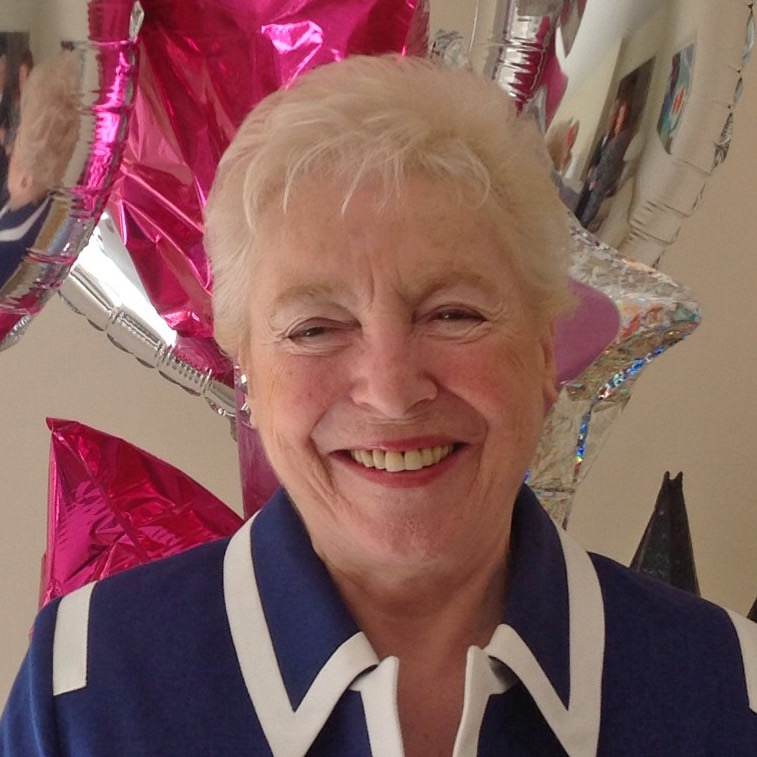 1933– beginner
Stephanie Shirley
Dame Stephanie "Steve" Shirley – Pioneer of the Independent Software Industry
Founded Freelance Programmers in 1962, creating one of Britain's first independent software houses and proving software could be sold as a standalone product. Shirley employed female programmers working remotely from home with pencil and punch cards, and her company wrote safety-critical assembly code including the Concorde airliner black box flight recorder.
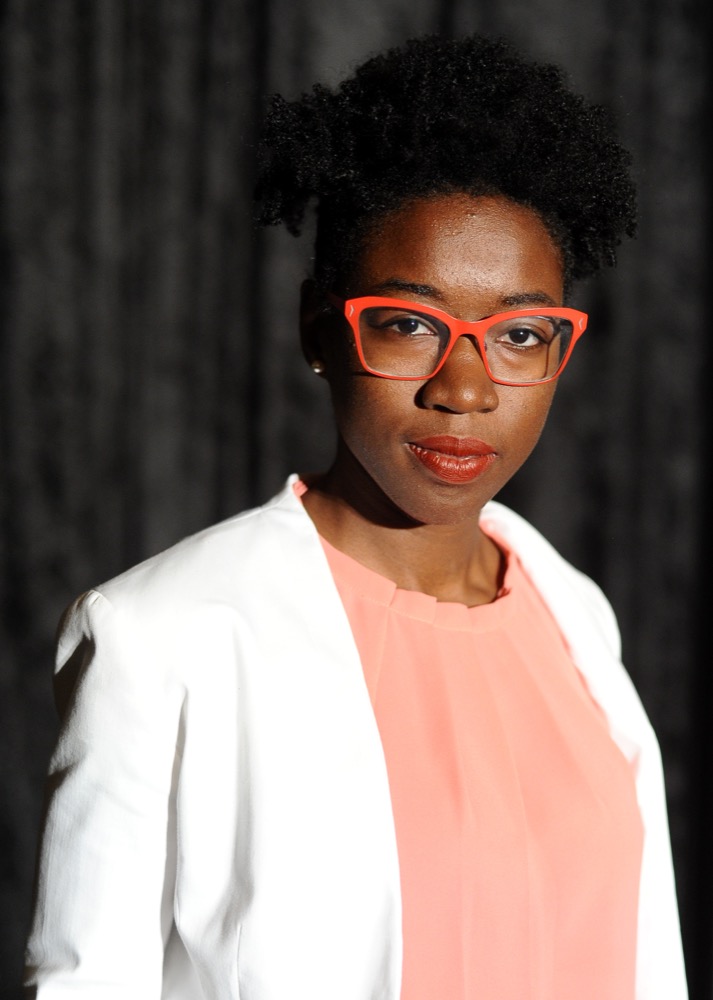 1989– intermediate
Joy Buolamwini
Founder of the Algorithmic Justice League & AI Auditing Pioneer
Computer scientist and founder of the Algorithmic Justice League whose research uncovered severe demographic bias in commercial artificial intelligence. Buolamwini's landmark 2018 Gender Shades audit proved that facial recognition systems had error rates up to 34% higher for darker-skinned women than lighter-skinned men, prompting major tech companies to halt commercial facial analysis sales.
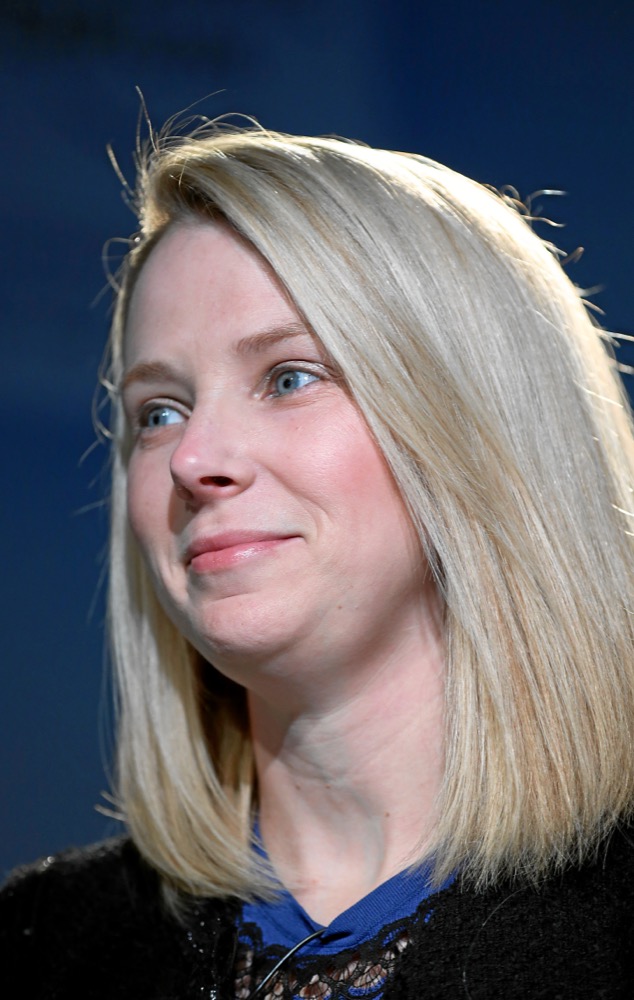 1975– beginner
Marissa Mayer
Google Employee #20, First Female Engineer & Search Interface Pioneer
Google's 20th employee and first female engineer who designed the iconic minimalist Google Search homepage and established strict web latency performance budgets. Mayer proved that millisecond delays measurably reduce user engagement, instituting engineering practices that made lightweight, rapid-loading interfaces the standard of modern web applications.
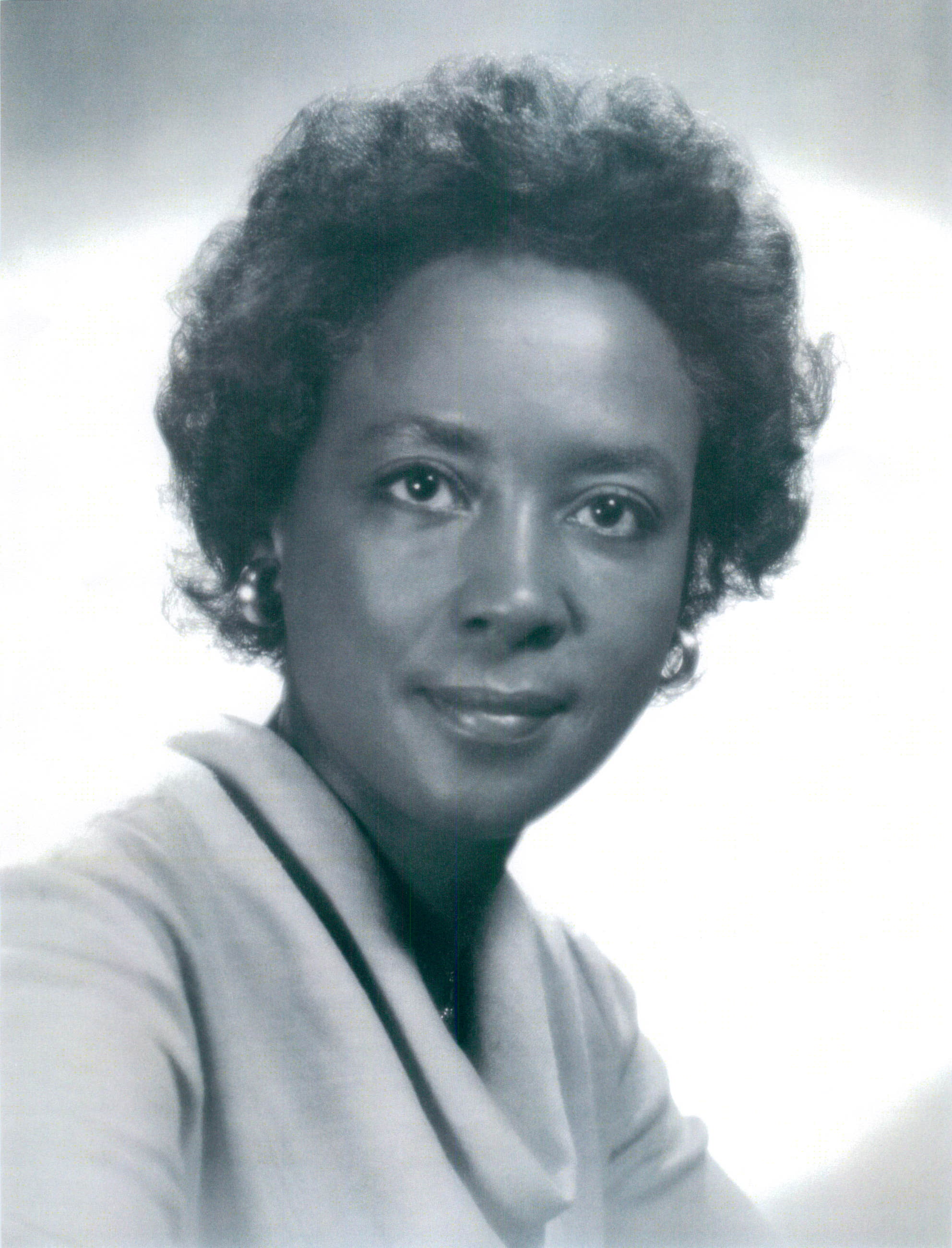 1933–2011 intermediate
Annie Easley
NASA Rocket Software Engineer & Centaur Guidance Programmer
NASA computer scientist and mathematician who wrote guidance and energy management software for the Centaur upper-stage rocket. Easley's numerical simulation code supported missions like Surveyor and Cassini, and her algorithms modeled early battery and solar storage systems that shaped renewable energy technology.
 1955– intermediate
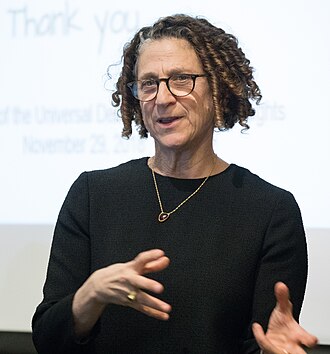
Sandy Lerner
Co-Founder of Cisco Systems & Commercial Internet Routing Pioneer
Co-founded Cisco Systems in 1984 and commercialized the multi-protocol router that bridged disparate campus network protocols. Lerner's operational and engineering leadership established the hardware backbone of the commercial internet, enabling heterogeneous networks to exchange packets across global wide-area topologies.
 1955– advanced
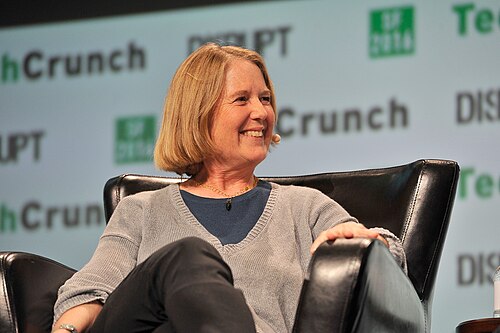
Diane Greene
Co-Founder & CEO of VMware, Cloud Virtualization Pioneer
Co-founded VMware in 1998 and served as its founding CEO, commercializing x86 hardware virtualization and transforming enterprise data centers into virtualized cloud platforms. She subsequently served as CEO of Google Cloud and on Alphabet's board of directors.
 1957– intermediate
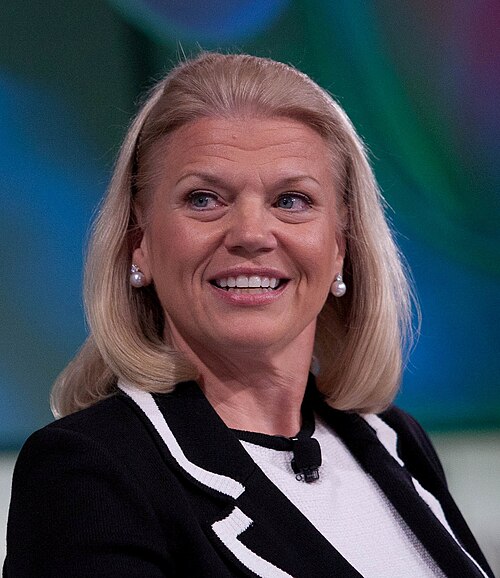
Ginni Rometty
Former Chairman, President & CEO of IBM
Served as Chairman, President, and CEO of IBM from 2012 to 2020. Rometty orchestrated IBM's strategic transformation into open hybrid cloud infrastructure, quantum computing, and enterprise AI, leading the historic $34 billion acquisition of Red Hat.
 1956– intermediate
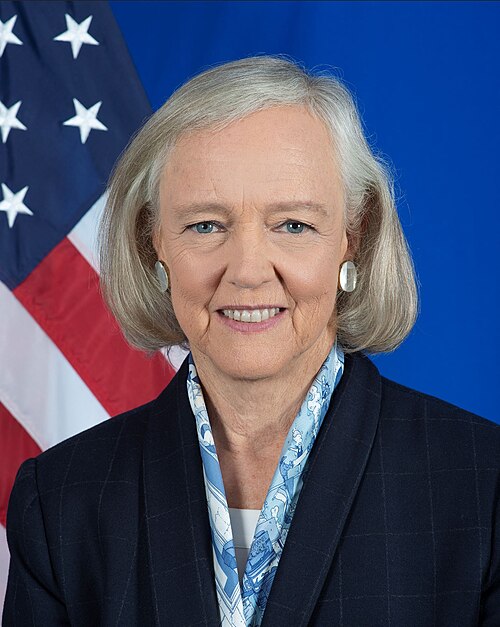
Meg Whitman
Former CEO of eBay and Hewlett Packard Enterprise
Led eBay from a 30-employee local auction site into an $8 billion global e-commerce titan between 1998 and 2008. Whitman later served as CEO of Hewlett-Packard, directing the largest corporate technology division in history into HP Inc. and Hewlett Packard Enterprise.
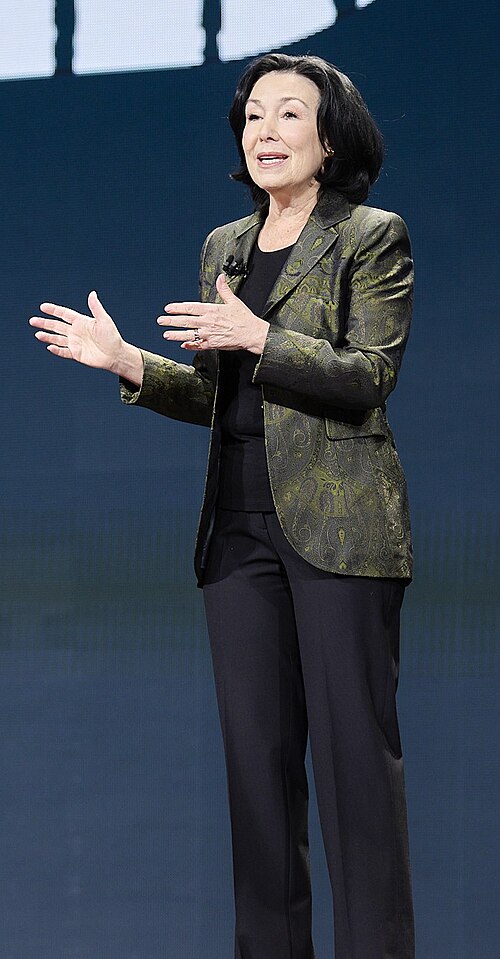 1961– intermediate
Safra Catz
Chief Executive Officer of Oracle Corporation
Has served as CEO of Oracle Corporation since 2014, having guided Oracle's executive strategy since 1999. Catz executed more than 130 pivotal software acquisitions (including PeopleSoft, Siebel, NetSuite, and Cerner), transforming Oracle into an integrated cloud database titan.
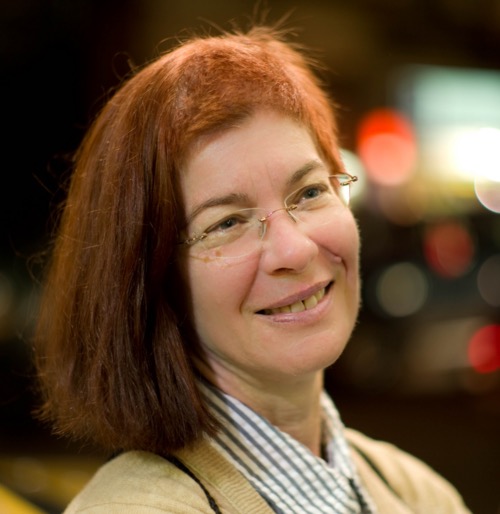 1958– beginner
Mitchell Baker
Executive Chairwoman of Mozilla & Open Web Pioneer
Executive Chairwoman of the Mozilla Foundation and Mozilla Corporation. Baker authored the Mozilla Public License, preserved open web standards against proprietary corporate monopolies, and guided the Firefox web browser to international adoption.
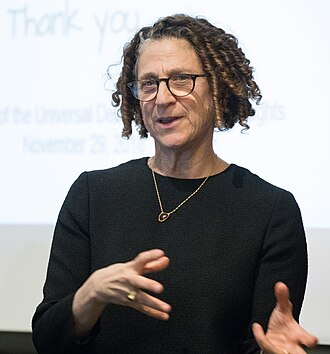 1948– advanced
Nancy Lynch
NEC Professor of Software Science at MIT & Distributed Consensus Pioneer
NEC Professor of Software Science and Engineering at MIT. In 1985, Lynch co-authored the landmark FLP Impossibility Theorem with Fischer and Paterson, proving that deterministic distributed consensus is impossible in an asynchronous network in the presence of even a single unannounced crash failure.
 1945– advanced
Dorothy Denning
Distinguished Professor Emeritus & Pioneer of Intrusion Detection Systems
Emeritus Distinguished Professor of Defense Analysis at the Naval Postgraduate School. In 1987, Denning published the foundational model for Intrusion Detection Systems (IDS), establishing the statistical and rule-based anomaly detection algorithms that protect modern enterprise networks.
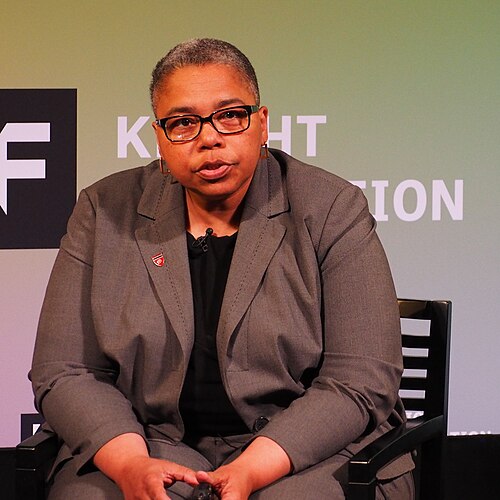 1959– intermediate
Latanya Sweeney
Daniel Paul Professor of Practice at Harvard & Inventor of k-Anonymity
Daniel Paul Professor of the Practice of Government and Technology at Harvard University and Director of the Public Interest Tech Lab. Sweeney invented the k-anonymity mathematical privacy model and proved that 87% of Americans can be uniquely identified by only three attributes: 5-digit ZIP code, gender, and date of birth.
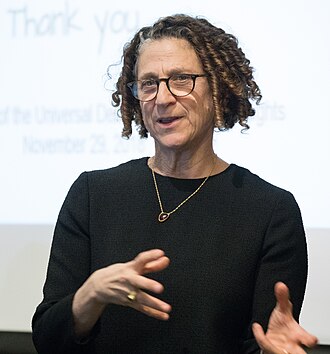 1961– advanced
Corinna Cortes
Vice President at Google Research & Co-Inventor of Support Vector Machines
Vice President at Google Research and former Head of Google Research NY. At AT&T Bell Labs in 1995, Cortes co-invented the soft-margin Support Vector Machine (SVM) with Vladimir Vapnik, creating one of the most celebrated and foundational algorithms in machine learning history.
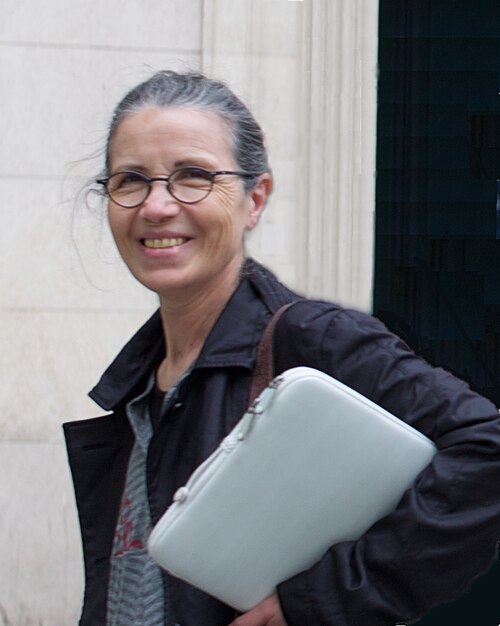 1947–2014 advanced
Radhia Cousot
Research Director at CNRS & Co-Inventor of Abstract Interpretation
Research Director at the French National Centre for Scientific Research (CNRS) and École Normale Supérieure. With Patrick Cousot, she co-invented Abstract Interpretation (1977), the mathematical theory of semantic approximation that powers modern compiler optimizers and formal software verification.
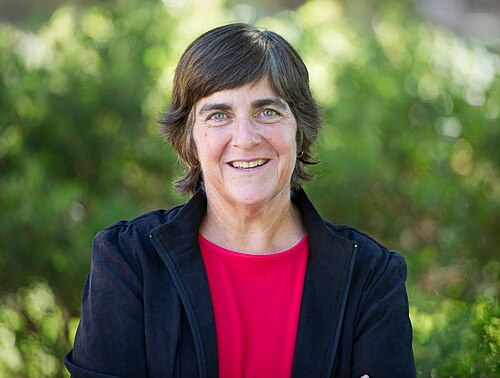 1960– intermediate
Jennifer Widom
Dean of Stanford Engineering & Database Systems Pioneer
Frederick Emmons Terman Dean of the School of Engineering and Fletcher Jones Professor of Computer Science at Stanford University. Widom pioneered active database systems, semi-structured query languages, and real-time streaming data architectures.
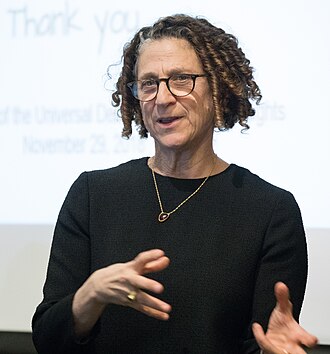 1943– intermediate
Mary Shaw
Alan J. Perlis Professor at CMU & Software Architecture Pioneer
Alan J. Perlis University Professor of Computer Science at Carnegie Mellon University. In 2014, Shaw was awarded the National Medal of Technology and Innovation by President Obama for pioneering software architecture as a rigorous engineering discipline.
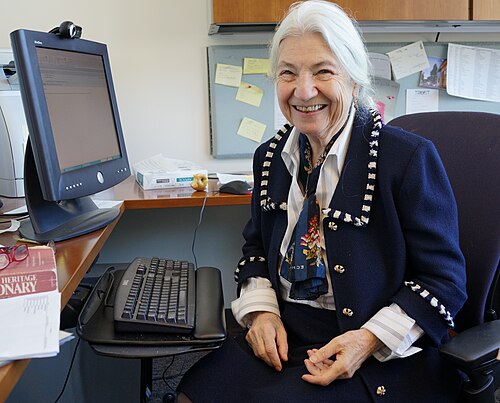 1933– advanced
Ruzena Bajcsy
Professor at UC Berkeley, Founder of GRASP Lab & Active Perception Pioneer
Professor of Electrical Engineering and Computer Sciences at UC Berkeley and founding director of the GRASP Lab at the University of Pennsylvania. In 1988, Bajcsy introduced the concept of "Active Perception," transforming robotic computer vision from passive image processing into active, goal-driven physical exploration.
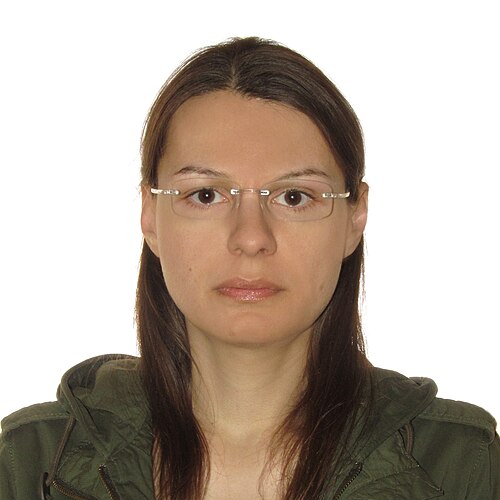 1981– advanced
Joanna Rutkowska
Computer Security Researcher & Founder of Qubes OS
World-renowned Polish computer security researcher. Rutkowska gained international prominence in 2006 by inventing the "Blue Pill" hypervisor rootkit, and subsequently created Qubes OS, an open-source operating system that enforces compartmentalized security-by-isolation via Xen micro-hypervisors.
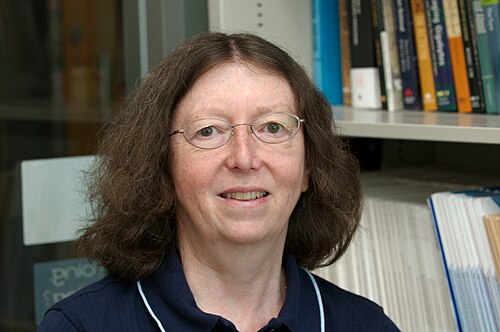 1954– intermediate
Susan Dumais
Technical Fellow at Microsoft Research & Co-Inventor of Latent Semantic Indexing
Technical Fellow and Director at Microsoft Research. In 1990, Dumais co-invented Latent Semantic Indexing (LSI), applying singular value decomposition (SVD) to document-term matrices to discover latent semantic concepts, revolutionizing automated text retrieval and search engines.
 1958– beginner
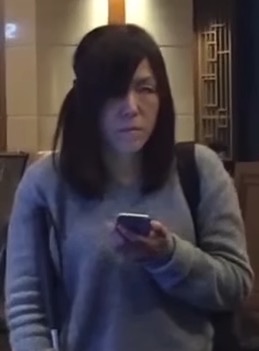
Chieko Asakawa
IBM Fellow, Director of Miraikan & Web Accessibility Pioneer
IBM Fellow and Chief Executive Director of Japan's National Museum of Emerging Science and Innovation (Miraikan). Blind since age 14, Asakawa invented the IBM Home Page Reader in 1997, opening the World Wide Web to visually impaired individuals, and pioneered AI-driven autonomous assistive navigation.
 1967– intermediate
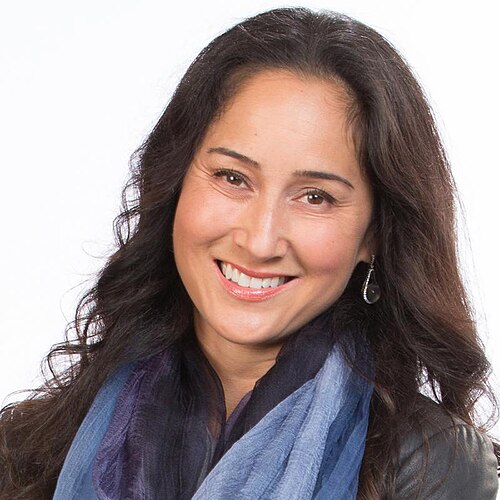
Cynthia Breazeal
Professor at MIT Media Lab & Pioneer of Social Robotics
Professor of Media Arts and Sciences at MIT, Dean for Digital Learning, and pioneer of Human-Robot Interaction (HRI). In the late 1990s, Breazeal created Kismet, recognized as the world's first social robot capable of natural affective interaction and expressive communication.
 1972– intermediate
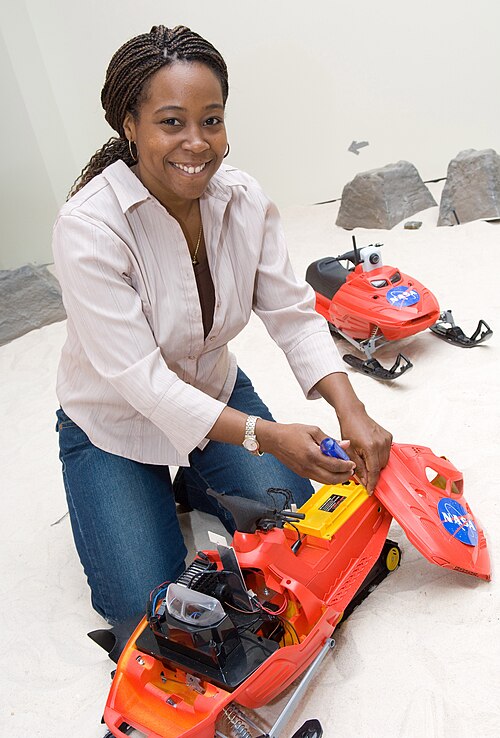
Ayanna Howard
Dean of Engineering at Ohio State & NASA JPL Robotics Pioneer
Roboticist, entrepreneur, and Dean of the College of Engineering at The Ohio State University. Previously a Senior Robotics Researcher at NASA JPL and Chair of Interactive Computing at Georgia Tech, Howard pioneered autonomous rovers for glacial exploration and assistive pediatric robotics.
 1971– advanced
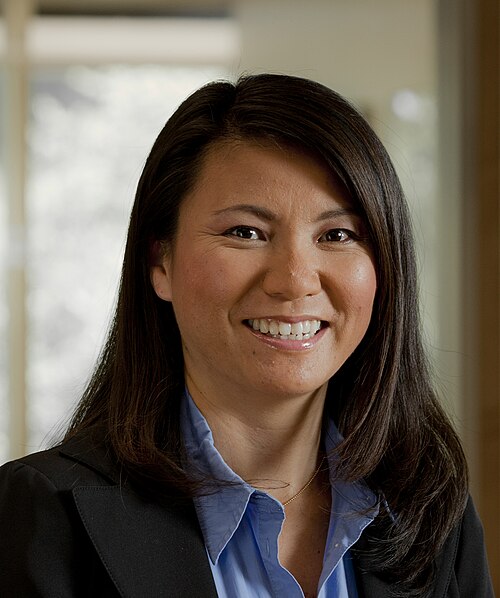
Yoky Matsuoka
MacArthur Fellow, Co-Founder of Google X & Neuro-Robotics Pioneer
MacArthur "Genius" Fellow, roboticist, and technology executive. Matsuoka co-founded Google X in 2009, served as VP of Technology at Nest, and directed health technology at Apple. She pioneered neurobotics, designing anatomically correct robotic hands that mimic human musculoskeletal and neural control.
 1964– beginner
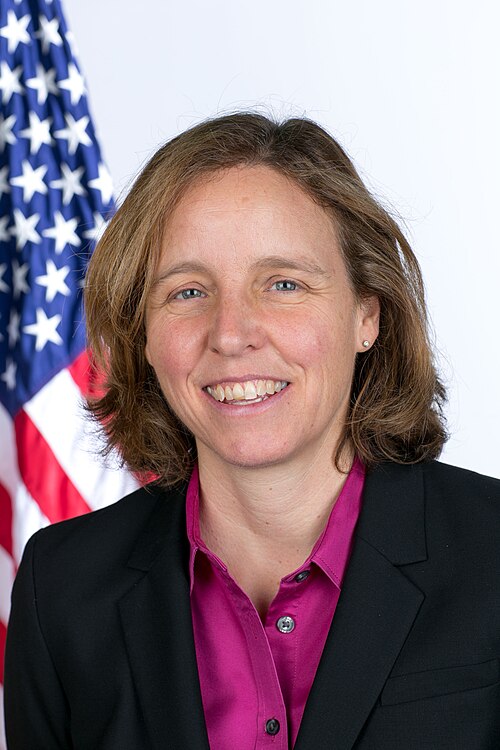
Megan Smith
3rd Chief Technology Officer of the United States & Former VP at Google [x]
Appointed by President Obama as the 3rd Chief Technology Officer of the United States (2014–2017). An MIT mechanical engineer, Smith was previously Vice President at Google and VP at Google [x], where she oversaw the acquisitions of Keyhole (Google Earth) and Where2 (Google Maps).
 1918–2014 intermediate
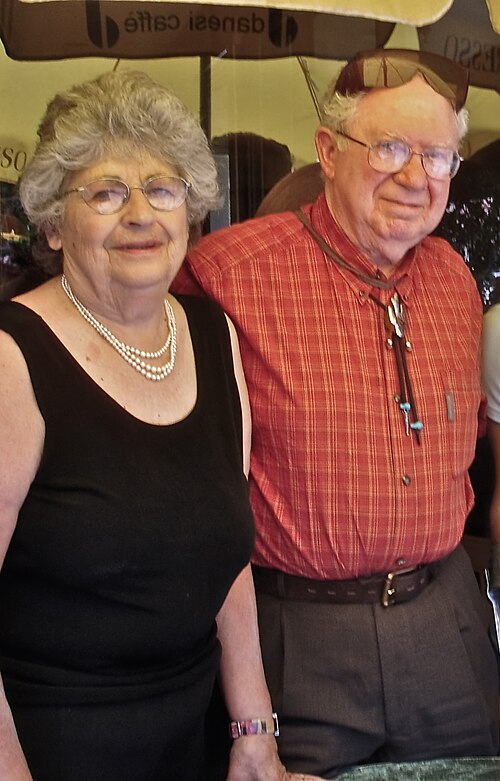
Thelma Estrin
Biomedical Computing Pioneer & First Female IEEE Vice President
Pioneer in biomedical engineering and computerized medical data systems. At UCLA's Brain Research Institute, Estrin engineered the earliest digital computer laboratories for recording and analyzing electroencephalogram (EEG) signals, and became the first female Vice President of the IEEE.
 1928– intermediate
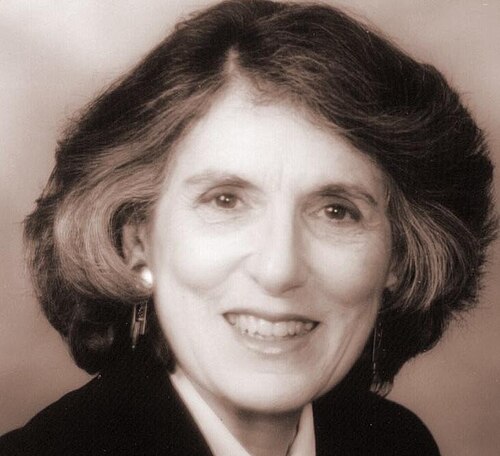
Dana Ulery
First Female Engineer at NASA JPL & Scientific Computing Pioneer
Broke ground in 1961 as the first female engineer hired at NASA's Jet Propulsion Laboratory (JPL). She developed real-time trajectory tracking algorithms and scientific simulation software for the NASA Deep Space Network, supporting the Ranger and Mariner planetary space exploration missions.
 1958– intermediate
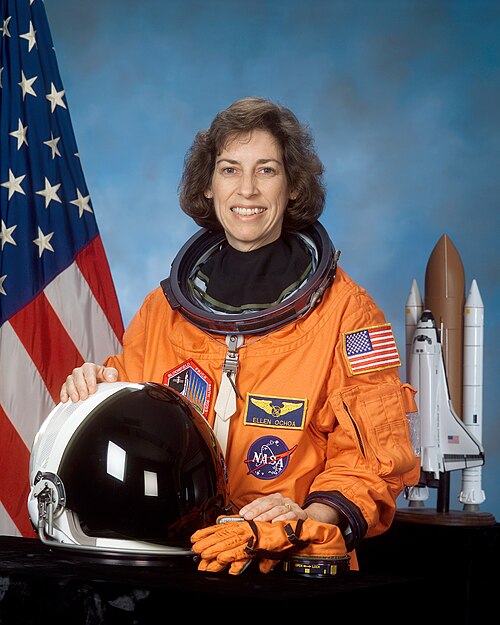
Ellen Ochoa
First Hispanic Woman in Space, Director of Johnson Space Center & Optics Pioneer
Engineer, astronaut, and former Director of NASA's Johnson Space Center. Holding a doctorate in electrical engineering from Stanford, Ochoa holds three patents in optical information processing and computerized pattern recognition, and flew four Space Shuttle missions, logging nearly 1,000 hours in orbit.
 1956– beginner
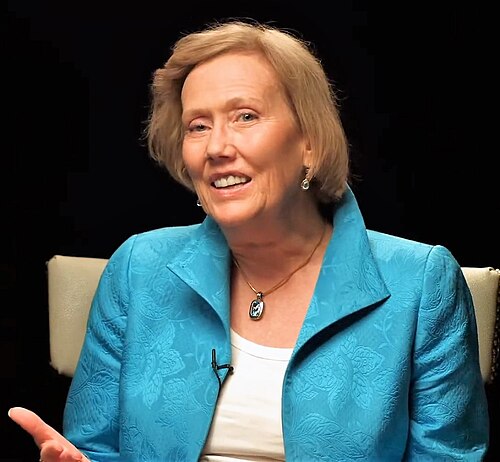
Telle Whitney
Co-Founder of Grace Hopper Celebration & Former CEO of AnitaB.org
Semiconductor engineer and computer scientist who co-founded the Grace Hopper Celebration of Women in Computing with Anita Borg in 1994. As CEO of AnitaB.org from 2002 to 2017, Whitney built the gathering into the largest technical conference for women in history, while engineering programmable semiconductor hardware.
 1975– beginner
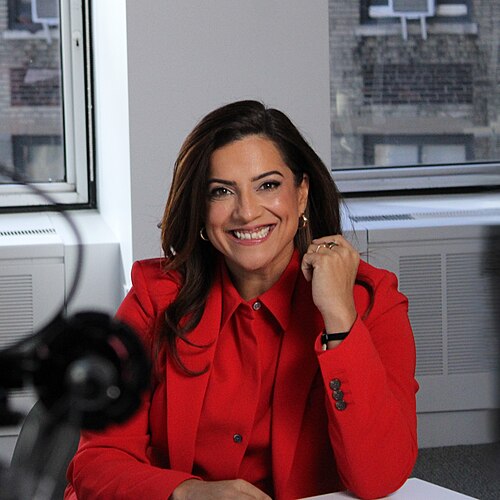
Reshma Saujani
Founder of Girls Who Code & Marshall Plan for Moms
American author, activist, and founder of Girls Who Code. Founded in 2012, Girls Who Code has taught computer science to over 500,000 girls and young women across public schools and university loops, fundamentally shifting the demographic pipeline of software engineering in North America.
 1983– intermediate
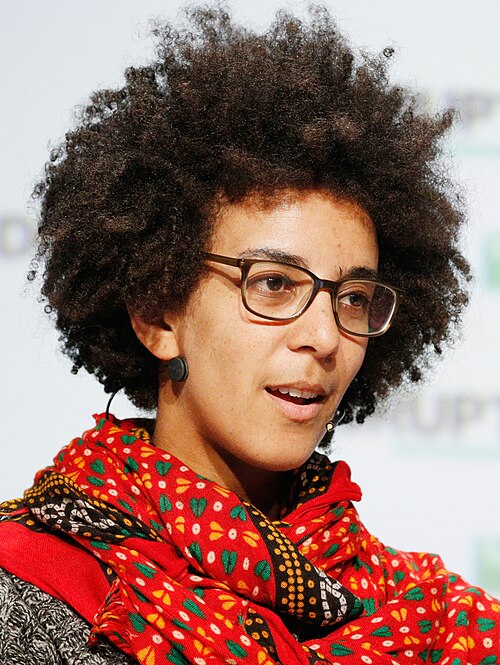
Timnit Gebru
Founder of DAIR & Pioneer in Algorithmic Fairness and AI Ethics
Computer scientist, AI researcher, and founder of the Distributed AI Research Institute (DAIR). With Joy Buolamwini, she co-authored the seminal "Gender Shades" study (2018), exposing severe demographic biases in commercial facial recognition, and co-introduced "Model Cards for Model Reporting."
 1969– beginner
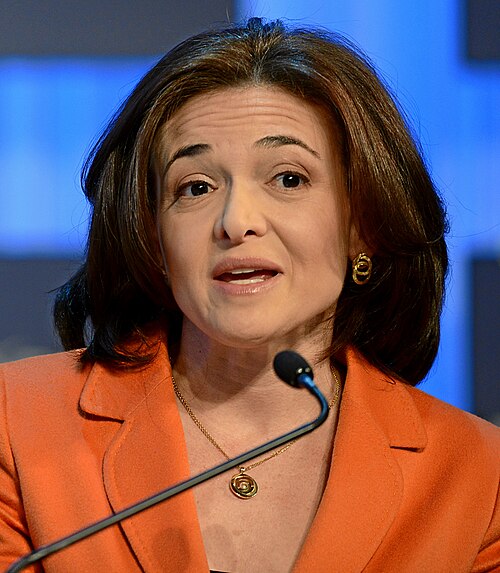
Sheryl Sandberg
Former Chief Operating Officer of Meta/Facebook & Google VP
Served as Chief Operating Officer of Meta (formerly Facebook) from 2008 to 2022, having previously served as Vice President of Global Online Sales and Operations at Google. She engineered the digital advertising architecture and business engine that funded the modern social web.
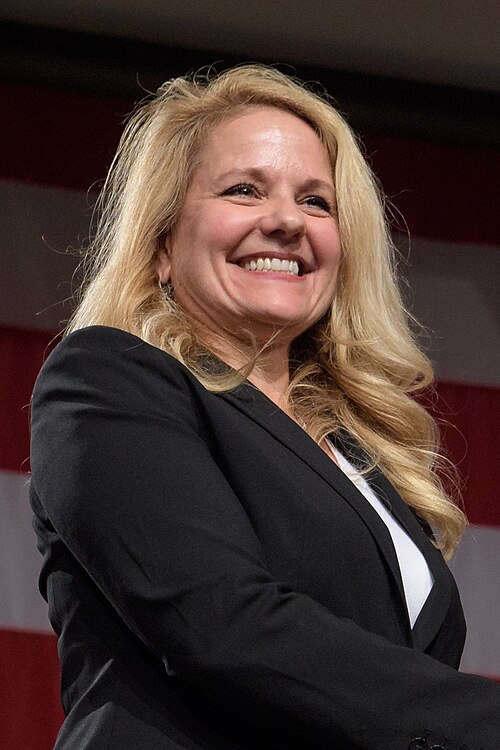 1963– intermediate
Gwynne Shotwell
President & Chief Operating Officer of SpaceX
President and Chief Operating Officer of SpaceX, directing commercial launch operations, engineering execution, and satellite network development since 2008. An applied mathematician and mechanical engineer, she has overseen the software, hardware, and flight operations of Falcon 9, Dragon, and Starlink.
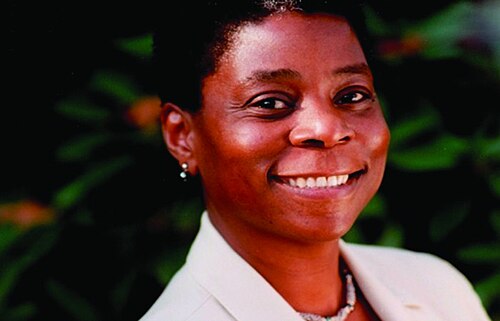 1958– beginner
Ursula Burns
Former Chairman & CEO of Xerox, First Black Female Fortune 500 CEO
Served as Chairman and CEO of Xerox from 2009 to 2016, becoming the first African-American woman to lead a Fortune 500 company. Rising from a mechanical engineering intern in 1980, she steered Xerox from legacy analog copiers into modern digital document services and cloud business processing.
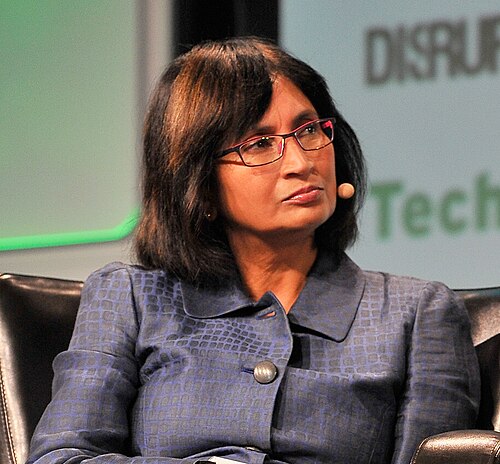 1960– intermediate
Padmasree Warrior
Former Chief Technology Officer of Cisco Systems & Motorola
Served as Chief Technology & Strategy Officer at Cisco Systems and Executive Vice President & CTO of Motorola. She guided Cisco's major investments into Software-Defined Networking (SDN) and cloud infrastructure, and later led NIO USA as CEO, architecting autonomous electric vehicle software.
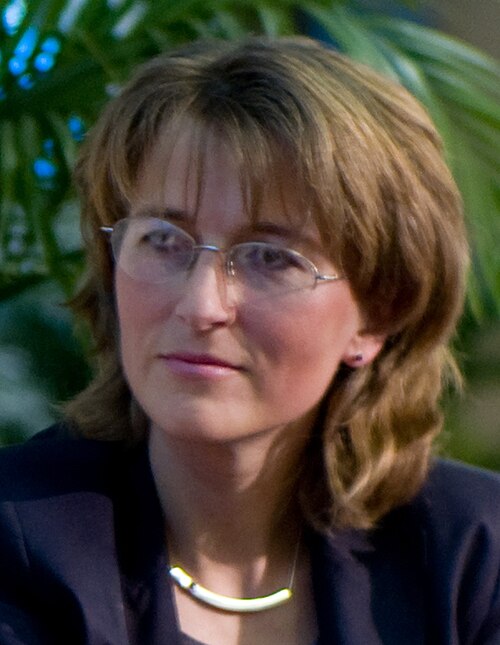 1966– advanced
Monika Henzinger
Professor at ISTA, Dynamic Graph Algorithms Pioneer & Former Google Director of Research
Professor of Computer Science at the Institute of Science and Technology Austria (ISTA) and former Director of Research at Google (1999–2004). She is a world leader in dynamic graph algorithms, randomized data structures, and differential privacy in web information retrieval.
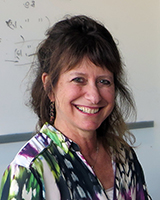 1960– advanced
Anna Karlin
Bill & Melinda Gates Chair at UW & Online Algorithms Pioneer
Bill & Melinda Gates Chair in Computer Science & Engineering at the University of Washington. She is an authority in theoretical computer science, pioneering competitive analysis of online algorithms, randomized caching, and algorithmic game theory.
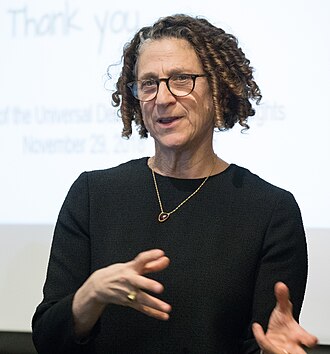
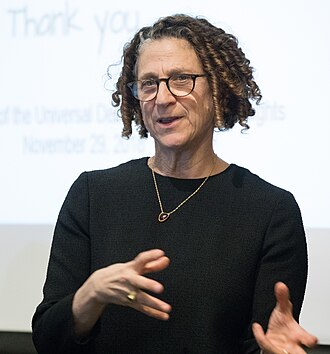 1963– advanced
Valerie Taylor
Director of Mathematics & CS at Argonne & High-Performance Computing Pioneer
Director of the Mathematics and Computer Science Division at Argonne National Laboratory and CEO of CMD-IT. She is a pioneer in high-performance computing (HPC) performance modeling, power-aware supercomputing, and scientific workload characterization.
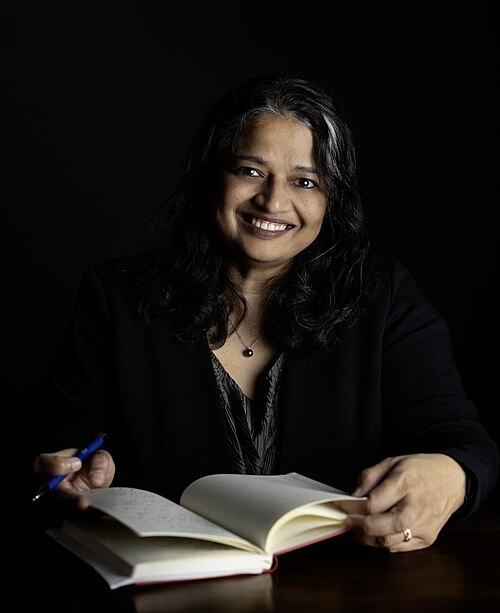
 1967– advanced
Lydia Kavraki
Noah Harding Professor at Rice & Inventor of Probabilistic Roadmaps
Noah Harding Professor of Computer Science and Bioengineering at Rice University. In 1996, Kavraki co-invented the Probabilistic Roadmap Method (PRM), solving the fundamental high-dimensional motion planning problem for autonomous robots, surgical arms, and molecular drug discovery.
 1971– intermediate
Kavita Bala
Dean of Cornell Bowers CIS & Computer Graphics / Realistic Rendering Pioneer
Dean of the Ann S. Bowers College of Computing and Information Science at Cornell University. She is a pioneer in computer graphics, scalable rendering, and computer vision. Her breakthroughs in physically based rendering and deep visual recognition led to her co-founding GrokStyle (acquired by IKEA).
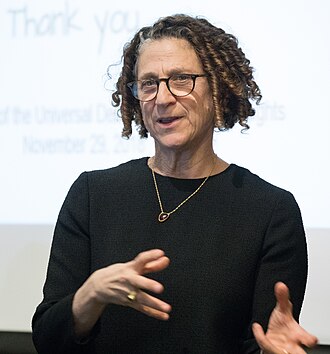 1949– intermediate
Margaret Burnett
Distinguished Professor at Oregon State & Visual Programming / GenderMag Pioneer
ACM Fellow and Distinguished Professor of Computer Science at Oregon State University. Burnett pioneered visual programming languages, end-user software engineering for spreadsheets, and created GenderMag, the first systematic inspection method for detecting gender bias in software features.
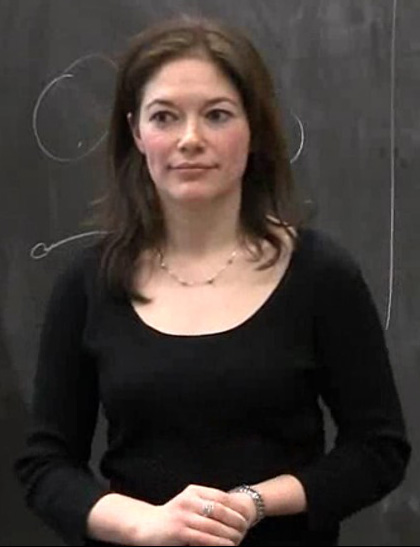 1977– advanced
Maria Chudnovsky
Professor of Mathematics at Princeton & Proof of Strong Perfect Graph Theorem
MacArthur "Genius" Fellow and Professor of Mathematics at Princeton University. In 2002, with Robertson, Seymour, and Thomas, Chudnovsky proved Claude Berge's 40-year-old Strong Perfect Graph Conjecture, resolving one of the most celebrated open problems in discrete mathematics and theoretical computer science.
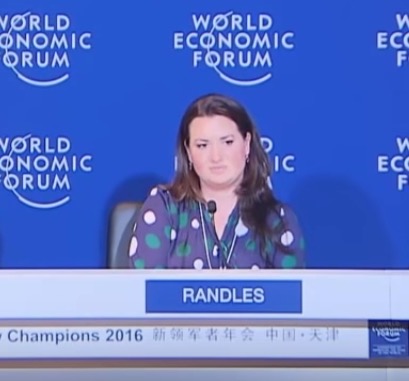 1983– advanced
Amanda Randles
Associate Professor at Duke & Creator of HARVEY Supercomputer Blood Simulator
Biomedical computer scientist and Alfred Winborne and Victoria Stover Mordecai Associate Professor at Duke University. Randles created HARVEY, a massively parallel fluid dynamics code executing across leadership-class supercomputers to simulate full human blood flow across hundreds of billions of cells.
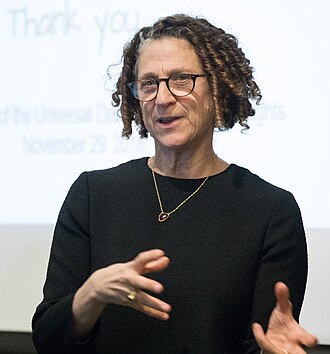 1963– intermediate
Regina Dugan
First Female Director of DARPA & Former VP at Google ATAP and Meta Building 8
American engineer and technology executive who made history as the first female Director of the Defense Advanced Research Projects Agency (DARPA, 2009–2012). Dugan subsequently served as Vice President at Google (founding the Advanced Technology and Projects / ATAP group) and VP at Meta (leading Building 8).
1840s: The Foundations of Computation
The invention of the conceptual algorithm, separation of data and operations on the Analytical Engine.
1940s: Electronic Computation & Codebreaking
Bletchley Park naval Enigma decryption, frequency-hopping spread spectrum, ENIAC ballistic calculation, the original six ENIAC programmers, and stored-program conversion.
Joan Clarke
Cryptanalyst, Deputy Head of Hut 8 at Bletchley Park & Pioneer of Bayesian Cryptanalysis
Naval Enigma Banburismus Sequential Cryptanalysis & Hut 8 Decryption Operations
Hedy Lamarr
Spread Spectrum & Frequency Hopping Pioneer
Frequency-Hopping Spread Spectrum
Kathleen Antonelli
ENIAC Co-Programmer & Ballistic Trajectory Calculation Pioneer
Software Compilation of Electronic Ballistic Trajectory Tables
Jean Bartik
Lead ENIAC Programmer & Pioneer of Stored-Program Computing
Conversion of ENIAC to Stored-Program Architecture & Software Subroutines
Betty Holberton
ENIAC Pioneer, Inventor of Software Breakpoints & the Sort-Merge Generator
Software Breakpoints & The UNIVAC Sort-Merge Generator (1951)
Frances Spence
Original ENIAC Programmer & Electronic Numerical Computing Pioneer
Implementation of Differential Analyzer Sequences on Digital ENIAC
Marlyn Meltzer
Original ENIAC Programmer & Numerical Calculation Architect
Direct Physical Signal Routing Architecture for ENIAC Equations
Ruth Teitelbaum
Original ENIAC Programmer & Software Educator
First Systematic Curriculum for Electronic Computer Operation
Klára Dán von Neumann
World's First Monte Carlo Programmer & Numerical Simulation Pioneer
First Computer Implementation of the Monte Carlo Method
1950s–1960s: Compilers, Space Flight & Early OS
First high-level compilers (COBOL, FORMAC), Apollo space navigation, GPS satellite orbital modeling, Centaur rocket propulsion code, independent commercial software engineering, and the first interactive personal minicomputer OS.
Grace Hopper
Rear Admiral, US Navy & Inventor of the First Compiler
First Operational Compiler (A-0 System, 1952) & FLOW-MATIC
Katherine Johnson
Research Mathematician & NASA Orbital Trajectory Architect
Analytical Orbital Trajectory Determination & Lunar Rendezvous Navigation
Dorothy Vaughan
NASA West Computing Head & FORTRAN Pioneer
FORTRAN Programming Integration at NASA
Gladys West
Mathematician, Satellite Geodesist & Pioneer of the Global Positioning System (GPS)
High-Precision Gravitational Geoid Model for GPS & Geosat Processing
Sister Mary Kenneth Keller
Pioneer of Computer Science Higher Education & Co-Developer of Dartmouth BASIC
First US Computer Science PhD Dissertation (1965) & Dartmouth BASIC Collaborator
Jean E. Sammet
First Female ACM President, Co-Designer of COBOL & Creator of FORMAC
FORMAC Symbolic Algebra Compiler (1962) & CODASYL COBOL Specification
Margaret Hamilton
Director of the MIT Software Engineering Division & Apollo Flight Software Architect
Apollo Guidance Computer Asynchronous Priority Executive (1969)
Mary Allen Wilkes
First Home PC User & Interactive OS Architect
LAP Interactive Operating System for LINC
Annie Easley
NASA Rocket Software Engineer & Centaur Guidance Programmer
Centaur Upper-Stage Rocket Guidance Software & Energy Simulation Code
Stephanie Shirley
Dame Stephanie "Steve" Shirley – Pioneer of the Independent Software Industry
First Independent Commercial Software Development Company & Concorde Black Box Software
Dana Ulery
First Female Engineer at NASA JPL & Scientific Computing Pioneer
Real-Time Deep Space Network Telemetry & Trajectory Integration Code (1961)
Thelma Estrin
Biomedical Computing Pioneer & First Female IEEE Vice President
Digital EEG Signal Processing Laboratory & WEIZAC Stored-Program Hardware (1954)
1970s: Microcomputing, VLSI, Security & Operating Systems
Computerized telecom switching overload control, VLSI chip layout methodology, Smalltalk graphical interfaces, ARPANET directory management, word processing hardware, active robotic perception, lattice security, and abstract interpretation.
Erna Schneider Hoover
Pioneer of Computerized Telephone Switching & Real-Time Queue Control
Real-Time Dynamic Processing Rate Queueing Architecture (US Patent 3,623,007)
Lynn Conway
Pioneer of VLSI Microchip Architecture & Dynamic Instruction Scheduling
Mead-Conway VLSI Design Methodology & Dynamic Instruction Scheduling (DIS)
Adele Goldberg
Object-Oriented Programming & GUI Pioneer
Smalltalk-80 & Model-View-Controller (MVC)
Elizabeth J. Feinler
ARPANET NIC Director & Domain Name Pioneer
Top-Level Domains (.com/.edu/.gov) & WHOIS
Evelyn Berezin
Pioneer of Real-Time Transaction Processing & Inventor of the Computerized Word Processor
United Airlines Real-Time Reservation System (1962) & Redactron Word Processor (1971)
Carol Shaw
First Female Video Game Designer & Procedural Pioneer
Procedural Terrain Generation in 4KB ROM
Irene Greif
First Female MIT CS PhD & Pioneer of Collaborative Computing (CSCW)
Formal Operational Models for Distributed Shared-Work Software
Radhia Cousot
Research Director at CNRS & Co-Inventor of Abstract Interpretation
Abstract Interpretation Formal Semantic Framework (1977) & Astrée Analyzer
Dorothy Denning
Distinguished Professor Emeritus & Pioneer of Intrusion Detection Systems
Intrusion Detection Systems (IDES, 1987) & Lattice-Based Security
Margaret Burnett
Distinguished Professor at Oregon State & Visual Programming / GenderMag Pioneer
GenderMag Software Inspection Method (2016) & Forms/3 Visual Language
Ruzena Bajcsy
Professor at UC Berkeley, Founder of GRASP Lab & Active Perception Pioneer
Active Perception Framework for Robotics (1988) & Volumetric Brain Atlasing
1980s: Distributed Consensus, Networking, GUI Icons & Software Architecture
FLP Impossibility Theorem, multi-protocol routers, Spanning Tree Protocol (STP), Macintosh GUI iconography, graphic adventure games, Liskov Substitution Principle, optimizing compilers, TF-IDF retrieval, competitive online algorithms, and formal software architecture styles.
Barbara Liskov
MIT Institute Professor & ACM A.M. Turing Award Laureate
Liskov Substitution Principle (LSP, 1987) & Practical Byzantine Fault Tolerance (PBFT)
Radia Perlman
Network Protocol Architect & National Inventors Hall of Fame Inductee
Spanning Tree Protocol (STP / IEEE 802.1D) & TRILL (RFC 6325)
Frances E. Allen
IBM Fellow & First Female ACM A.M. Turing Award Laureate
Control Flow Graph Analysis (1970) & Optimizing Compiler Frameworks
Karen Spärck Jones
Professor of Computers and Information at Cambridge & Pioneer of Statistical NLP
Inverse Document Frequency (IDF, 1972) & Robertson–Spärck Jones Model (BM25 precursor)
Éva Tardos
Titan of Algorithmic Graph Theory & Network Optimization
First Strongly Polynomial Time Algorithm for Minimum-Cost Circulation
Susan Landau
Cybersecurity Mathematician & Pioneer of Radical Solvability Algorithms
Landau's Algorithm for Polynomial Solvability by Radicals
Barbara Grosz
AI Pioneer in Multi-Agent Discourse & Collaborative Systems
SharedPlans Formal Theory of Multi-Agent Collaboration
Wendy Hall
Pioneer of Multi-Media Hypertext & Global Web Science
Microcosm Open Hypermedia Link Engine (1989)
Maria Klawe
Theoretical Computer Scientist & STEM Equity Visionary
Upper/Lower Bounds in Computational Geometry & CS Curriculum Reform
Roberta Williams
Pioneer of Graphical Adventure Games & Co-Founder of Sierra On-Line
First Graphical Adventure Game (Mystery House) & King's Quest Series
Susan Kare
Pioneer of GUI Iconography & Designer of the Original Macintosh Interface
Iconography of the Apple Macintosh GUI & First Proportional Screen Typefaces
Sandy Lerner
Co-Founder of Cisco Systems & Commercial Internet Routing Pioneer
Multi-Protocol AGS Router & Commercial Internet Routing Backbone (1986)
Nancy Lynch
NEC Professor of Software Science at MIT & Distributed Consensus Pioneer
Fischer-Lynch-Paterson (FLP) Impossibility Theorem (1985) & I/O Automata
Anna Karlin
Bill & Melinda Gates Chair at UW & Online Algorithms Pioneer
Competitive Online Analysis & Randomized Snoopy Caching (1988)
Mary Shaw
Alan J. Perlis Professor at CMU & Software Architecture Pioneer
Formal Software Architecture Styles & UniCon Architectural Description Language
Ellen Ochoa
First Hispanic Woman in Space, Director of Johnson Space Center & Optics Pioneer
Optical Information Processing & Position-Invariant Inspection Patents (1987)
Ursula Burns
Former Chairman & CEO of Xerox, First Black Female Fortune 500 CEO
Digital Color Xerographic Printing Systems & Enterprise IT Services Pivot (2010)
1990s: Modern Cryptography, Web Scale, Search & Virtualization
x86 hypervisor virtualization, Proof-of-Work, Zero-Knowledge proofs, Differential Privacy, k-anonymity, Support Vector Machines, active database streams, Latent Semantic Indexing, web accessibility voice browsers, social robotics, ARM processors, and open web governance.
Cynthia Dwork
Gordon McKay Professor of Computer Science at Harvard University
Proof-of-Work (1992) & Differential Privacy (2006)
Shafi Goldwasser
Director of the Simons Institute at UC Berkeley & Turing Award Laureate
Zero-Knowledge Proofs (GMR 1985) & Semantic Security
Tal Rabin
Pioneer of Threshold Cryptography & Multiparty Computation (MPC)
Verifiable Secret Sharing & Proactive Threshold Cryptography Protocols
Jeannette Wing
Creator of Computational Thinking & Pioneer of Behavioral Subtyping
Liskov-Wing Behavioral Subtyping Formalism & Computational Thinking
Sophie Wilson
Chief Architect of the ARM RISC Instruction Set & Acorn BBC Micro
ARM 32-Bit RISC Instruction Set Architecture (ARM1/ARM2) & BBC BASIC
Anita Borg
Systems Architect, Operating Systems Researcher & Founder of AnitaB.org
Fault-Tolerant Multiprocessor OS Rollback (MECCA) & ATUM Microcode Cache Tracing
Margo Seltzer
Co-Creator of Berkeley DB & Systems Storage Pioneer
Berkeley DB Embedded Key-Value Storage Architecture
Jennifer Chayes
Pioneer in Algorithmic Phase Transitions & Network Graph Limits
Mathematical Theory of Graphons & Sparse Graph Limits
Rosalind Picard
Founder of Affective Computing & Wearable AI Pioneer
Affective Computing Paradigm & Wearable Autonomic Biosensing Algorithms
Lisa Su
Semiconductor Physicist, Chair & CEO of AMD
Silicon-on-Insulator (SOI) Manufacturing & AMD Zen Microarchitecture
Marissa Mayer
Google Employee #20, First Female Engineer & Search Interface Pioneer
Minimalist Search Interface UX & Web Latency Budgeting Metrics
Diane Greene
Co-Founder & CEO of VMware, Cloud Virtualization Pioneer
x86 Dynamic Binary Translation Hypervisor (VMware Workstation, 1999)
Ginni Rometty
Former Chairman, President & CEO of IBM
IBM Open Hybrid Cloud Platform Architecture & Qiskit Quantum Deployment
Meg Whitman
Former CEO of eBay and Hewlett Packard Enterprise
Distributed Peer-to-Peer Auction Engine & Online Trust Rating System (1999)
Safra Catz
Chief Executive Officer of Oracle Corporation
Autonomous Database Cloud Infrastructure & Enterprise M&A Consolidation
Mitchell Baker
Executive Chairwoman of Mozilla & Open Web Pioneer
Mozilla Public License (MPL) & Independent Firefox Browser Governance (2003)
Latanya Sweeney
Daniel Paul Professor of Practice at Harvard & Inventor of k-Anonymity
k-Anonymity Mathematical Data Privacy Model (1998) & Re-Identification Proofs
Corinna Cortes
Vice President at Google Research & Co-Inventor of Support Vector Machines
Soft-Margin Support Vector Machine (SVM) Algorithm (1995)
Jennifer Widom
Dean of Stanford Engineering & Database Systems Pioneer
Active Database Rule Engines (ECA) & Continuous Query Language (CQL, 2003)
Susan Dumais
Technical Fellow at Microsoft Research & Co-Inventor of Latent Semantic Indexing
Latent Semantic Indexing (LSI / SVD Dimensionality Reduction, 1990)
Chieko Asakawa
IBM Fellow, Director of Miraikan & Web Accessibility Pioneer
IBM Home Page Reader (1997) & "AI Suitcase" Autonomous Navigation
Cynthia Breazeal
Professor at MIT Media Lab & Pioneer of Social Robotics
Kismet Social Robot System (1997) & Human-Robot Interaction Formalisms
Yoky Matsuoka
MacArthur Fellow, Co-Founder of Google X & Neuro-Robotics Pioneer
Anatomically Correct Testbed (ACT) Robotic Hand & Google X Foundation (2009)
Megan Smith
3rd Chief Technology Officer of the United States & Former VP at Google [x]
Google Earth / Maps Acquisition Scaling & Federal Open Data Architecture
Telle Whitney
Co-Founder of Grace Hopper Celebration & Former CEO of AnitaB.org
Grace Hopper Celebration of Women in Computing & FPGA Chip Architecture
Padmasree Warrior
Former Chief Technology Officer of Cisco Systems & Motorola
Application Centric Infrastructure (Cisco ACI) & Software-Defined Networking
Monika Henzinger
Professor at ISTA, Dynamic Graph Algorithms Pioneer & Former Google Director of Research
Sublinear Dynamic Graph Connectivity & Google Web Crawling / Link Analysis (1999)
Valerie Taylor
Director of Mathematics & CS at Argonne & High-Performance Computing Pioneer
Prophesy Automated Performance Modeling Framework for Supercomputing
Lydia Kavraki
Noah Harding Professor at Rice & Inventor of Probabilistic Roadmaps
Probabilistic Roadmap Method (PRM, 1996) & Open Motion Planning Library (OMPL)
2000s–Present: Deep Learning, Autonomous Systems, Aerospace, Security & Ethics
ImageNet visual revolution, Qubes OS security-by-isolation, black hole imaging, frontier LLMs, algorithmic bias auditing, reusable rocketry software, pediatric robotics, perfect graph theory, exascale supercomputing, and public interest technology.
Fei‑Fei Li
Sequoia Professor of Computer Science at Stanford & Co-Director of Stanford HAI
ImageNet Dataset & ILSVRC Benchmark (Sparked the 2012 Deep Learning Revolution)
Daphne Koller
Pioneer of Probabilistic Graphical Models & AI Healthcare
Probabilistic Graphical Models Framework
Dawn Song
Pioneer of Adversarial Machine Learning & Automated Security Analysis
Deep Learning Adversarial Vulnerability Analysis & Dynamic Binary Taint Tracking
Manuela Veloso
Pioneer of Autonomous Multi-Robot Teams & Symbiotic Autonomy
Symbiotic Autonomy & Multi-Robot Autonomous Coordination Protocols
Mary Lou Jepsen
Visionary Computer Display & Hardware Architect
Sunlight-Readable Low-Power Display Architecture for OLPC XO-1
Priya Donti
Assistant Professor of EECS at MIT & Co-Founder of Climate Change AI
Constraint-Enforced Neural Networks (DC3) for Electric Grid Decarbonization
Carla Gomes
Pioneer in Computational Sustainability & Randomized Search Solvers
Heavy-Tailed Randomized Restarts for Combinatorial SAT Solvers
Parisa Tabriz
VP of Chrome, Google's "Security Princess" & Web Security Pioneer
HTTPS Everywhere Web Standard & Project Zero Offensive Security Architecture
Katie Bouman
Pioneer in Computational Imaging & Algorithmic Lead for Black Hole Visualization
CHIRP Computational Imaging Algorithm & Black Hole Visual Reconstruction
Joy Buolamwini
Founder of the Algorithmic Justice League & AI Auditing Pioneer
Gender Shades Auditing Benchmark & Algorithmic Accountability Frameworks
Mira Murati
Former Chief Technology Officer of OpenAI & Generative AI Scaling Pioneer
Reinforcement Learning from Human Feedback (RLHF) Production Infrastructure & GPT-4 Deployment
Joanna Rutkowska
Computer Security Researcher & Founder of Qubes OS
Qubes OS Compartmentalized Architecture (2010) & Blue Pill Hypervisor Rootkit
Ayanna Howard
Dean of Engineering at Ohio State & NASA JPL Robotics Pioneer
SnoMote Glacial Autonomous Explorer & Assistive Pediatric Robotic Systems
Reshma Saujani
Founder of Girls Who Code & Marshall Plan for Moms
Girls Who Code Global Movement & Inclusive Coding Pedagogy (2012)
Timnit Gebru
Founder of DAIR & Pioneer in Algorithmic Fairness and AI Ethics
Model Cards for Model Reporting (2019) & Gender Shades Algorithmic Audit
Sheryl Sandberg
Former Chief Operating Officer of Meta/Facebook & Google VP
Google AdWords / AdSense Scale Architecture & Social Ad Auction Model (2008)
Gwynne Shotwell
President & Chief Operating Officer of SpaceX
Reusable Orbital Launch Operations & Starlink Laser-Mesh Constellation (2019)
Kavita Bala
Dean of Cornell Bowers CIS & Computer Graphics / Realistic Rendering Pioneer
Scalable Physically Based Global Illumination & GrokStyle Visual Search
Maria Chudnovsky
Professor of Mathematics at Princeton & Proof of Strong Perfect Graph Theorem
Proof of the Strong Perfect Graph Theorem (2002) & Claw-Free Decomposition
Amanda Randles
Associate Professor at Duke & Creator of HARVEY Supercomputer Blood Simulator
HARVEY Massively Parallel Cardiovascular Hemodynamics Simulator (2016)
Regina Dugan
First Female Director of DARPA & Former VP at Google ATAP and Meta Building 8
Google ATAP Rapid Innovation Skunkworks & Project Soli Radar Interaction
Pioneer Comparison Bench
Select two computer scientists to compare their breakthroughs, eras, difficulty level, and contributions side-by-side.
Cryptographic Hash Tools
Compute client-side hashes, analyze the avalanche effect, benchmark cryptographic throughput, and inspect blockchain blocks.
Practical Cryptography Guides
Explore 21 academic and practical guides covering file integrity, proof-of-work puzzles, salting, collision resistance, and Merkle trees.