All Pioneers (100)
Profile 26 of 100
1937– intermediate

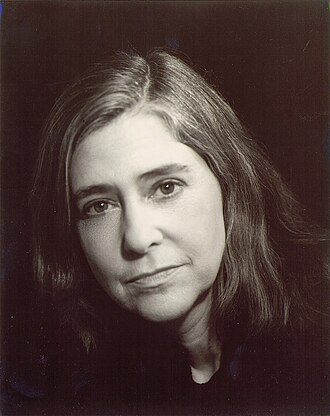
Mary Allen Wilkes

First Home PC User & Interactive OS Architect

Mary Allen Wilkes

Biographical Overview

Designed the LAP (LINC Assembly Program) interactive operating system for the LINC computer and pioneered personal computing workflows. In 1965, Wilkes brought a LINC into her Baltimore living room to write and debug its operating system, making her the first person to use a personal computer in a private residence.

"I had a complete computer system in my living room in 1965. It was extraordinary to have that much computing power right at home."

— Mary Allen Wilkes
Lifespan 1937–
Technical Depth intermediate
Key Breakthrough LAP Interactive Operating System for LINC
Focus Areas
operating systems software engineering hardware
Topic Keywords
#LINC #assembly #operating systems #interactive computing #first personal computer
Source: Historical Biographical Archive / Wikimedia Commons
💡

Historical Context & Impact

In short

In 1965, Mary Allen Wilkes had an entire laboratory computer installed in her Baltimore home so she could write its operating system without commuting. The LINC was the size of a refrigerator and required heavy electrical cabling, but Wilkes debugged LAP6 at her dining table in her slippers, inaugurating home personal computing a decade before the Apple I.
Key Technical Breakthroughs & Inventions

01
Operating System Architecture (LAP5 & LAP6) Designed the interactive operating system and macro-assembler for the Laboratory Instrument Computer (LINC), providing an interactive character display and integrated keyboard input.
02
World's First Home Personal Computer User In 1965, had a complete LINC computer delivered to her Baltimore living room, assembling and operating the system to write software decades before home computing became mainstream.
03
Screen-Based Interactive Editing Implemented direct on-screen text editing and file manipulation on a dedicated minicomputer, replacing physical punched tape and punch cards with keyboard-driven interactive commands.
04
Hardware Logic & Multiply-Accumulate Design Co-designed arithmetic and multiply-accumulate unit logic for the TX-2 computer at MIT Lincoln Laboratory, contributing to early computer graphics hardware.

Selected Honors & Industry Recognition

Original Publications, Papers & Archives

Connected Contemporaries

All 100 Pioneers →